
Ontario Animal Health Network (OAHN)
Equine Quarterly Veterinary Report
BITS ‘N SNIPS
During our network call, Dr. Ratsep discusses interesting pathology cases. One of the cases presented involved a horse diagnosed with pancreatitis. This in not a common diagnosis but is likely more common than we think when it occurs as a secondary disease. Below is an overview of the current understanding of equine pancreatitis.
Pancreatitis in Horses
Key Take Home Points
- Primary equine pancreatitis is rare and is often misdiagnosed as strangulating colic; secondary involvement is likely common
- Pancreatic (DGGR)* lipase has significantly expanded recognition of pancreatic injury in colic *DGGR = 1,2-o-dilauryl-rac-glycero-3-glutarate-(6′-methylresorufin) ester
- Most elevations in DGGR lipase reflect secondary disease rather than primary pathology
- Diagnostic certainty remains challenging but ultrasonographic identification is possible in select cases
- Management should focus on underlying disease and systemic support
Overview
Equine pancreatitis is an uncommon but clinically significant condition, most often identified postmortem, with substantial morbidity and mortality once severe clinical signs develop. Necropsy confirmed data demonstrate that pancreatitis remains under recognized antemortem, frequently misattributed to primary gastrointestinal or hepatobiliary disease.
Recent validation of DGGR lipase as a pancreas specific biomarker has reshaped understanding of pancreatic involvement in equine abdominal disease, suggesting that subclinical or secondary pancreatitis may frequently accompany colic episodes, especially those associated with severe pain, gastric reflux, or small intestinal pathology.
Epidemiology and Clinical Context
Histopathologically confirmed pancreatitis remains rare:
- 0.4% incidence in a 9-year necropsy series (4/834 horses) ]
- 43 confirmed cases over 25 years in a large referral population
However, elevated serum pancreatic (DGGR) lipase activity occurs in:
- 30–40% of horses presenting with colic
- >13% exceeding twice the upper reference limit, a threshold associated with poorer outcomes in some
This disparity strongly suggests that secondary pancreatic injury is common during equine gastrointestinal disease and shock states, even when histological pancreatitis is not confirmed.
In the largest retrospective series to date (UC Davis; 1986–2011):
- 43 horses had definitive pancreatitis
- Acute pancreatitis: 34 cases
- Chronic active: 4 cases
- Chronic: 5 cases
- Presumed primary pancreatitis: 6/43 (14%)
- Secondary/associated pancreatitis: 37/43 (86%)
There was no consistent breed, sex, or age predisposition, though adult horses were markedly over- represented and foals rarely affected
Aetiology and Pathophysiology
Primary vs secondary disease
- Primary pancreatitis: rare, sporadic, poorly predictable
- Always acute
- Characterized by severe, refractory abdominal pain
- Gastric reflux present in 5/6 horses
- Frequently misdiagnosed as small intestinal obstruction
- Secondary pancreatitis: far more common and associated with systemic or gastrointestinal disease
Most commonly associated with:
-
- Large colon lesions (14/37; especially volvulus and displacement)
- Small intestinal strangulation or enteritis (10/37)
- Gastric rupture (4/37)
- Primary hepatic disease or bile duct obstruction (3/37)
- Immune compromising or toxic conditions (6/37)
- Has also been associated with:
- Grain overload
- Hyperlipemia
- Endocrinopathies (PPID, diabetes Hepatobiliary disease and bile duct reflux
- Parasite migration (eosinophilic or fibrosing pancreatitis)
Proposed mechanisms include:
- Shock related pancreatic hypoperfusion
- Mechanical trauma or compression
- Enzymatic autodigestion following ductal reflux
- Metabolic injury (hyperlipemia, endocrine disease)]
Clinical Presentation
Acute presentations
- Moderate to severe abdominal pain
- Spontaneous or induced gastric reflux
- Hemoconcentration, lactatemia
- Signs of hypovolemic shock
- Often indistinguishable clinically from strangulating intestinal lesions
Chronic or chronic active disease
- Weight loss
- Recurrent mild colic
- Inappetence and lethargy
- May be clinically silent for extended periods
- Occasionally rectally palpable mass at the root of the mesentery
Notably, all clinical signs are nonspecific and overlap substantially with more common gastrointestinal disorders.
Diagnostics: Current Evidence and Limitations
Serum biomarkers
Traditional assays (amylase, conventional lipase, trypsin) lack sensitivity or specificity in horses due to:
- Low pancreatic enzyme activity
- Non pancreatic tissue interference
- Instability of certain enzymes
DGGR lipase
- Demonstrates high pancreatic tissue specificity
- Validated for equine use
- Elevated in many horses with colic, especially severe cases
Clinical interpretations:
-
- Mild to moderate elevations likely reflect secondary pancreatic injury
- Marked elevations (>200 U/L) are associated with:
- Severe pain
- Gastric reflux
- Small intestinal distension
- Higher mortality rates in some populations
Importantly, increased DGGR lipase does not confirm primary pancreatitis, and causation cannot be inferred without supportive imaging or histopathology.
Imaging
- Lack et al. (2020) provided the first published ultrasonographic images of equine pancreatitis
Key findings:
-
- Mass-like structure between the liver and right dorsal colon
- Heterogeneous hyperechoic organ with hypoechoic regions
- Tubular anechoic structure consistent with the pancreatic duct
- Free peritoneal fluid with fibrin strands
- Pancreatic masses or peripancreatic fat changes may occasionally be noted
- CT imaging has demonstrated diagnostic value in ponies and small horses, allowing identification of chronic, cystic, or abscessed pancreatitis
Due to cost and access limitations, advanced imaging will remain restricted to select cases.
Histopathology
- Remains the gold standard
- Differentiates acute, chronic, and chronic active forms
- Rarely feasible antemortem and may miss focal lesions
Treatment and Prognosis
Treatment
There is no evidence based, pancreas-specific treatment protocol in horses.
Management is supportive and includes:
- Aggressive analgesia
- Treatment of the primary disease
- Fluid therapy and metabolic support
- Nutritional management
- In selected chronic cases, corticosteroid therapy has been used with apparent long- term success, though efficacy remains unproven
- Serial DGGR lipase monitoring may reflect disease resolution, though its prognostic value remains uncertain
Prognosis
- Overall prognosis is guarded to poor
- Documented survival remains exceptional
- Severity appears linked to:
- Pancreatic necrosis
- Hypocalcemia
- SIRS and peritonitis
- Concurrent intestinal or hepatic disease
Clinical Implications for Practitioners
Pancreatitis should be considered when:
- Colic severity is disproportionate to findings
- Gastric reflux is unexplained
- Small intestinal distension is present without obstruction
- Endocrine or metabolic disease is concurrent
- Elevated DGGR lipase should be interpreted as a marker of pancreatic involvement, not definitive diagnosis
- Resolution of lipase elevation often parallels clinical improvement, supporting its utility for monitoring rather than diagnosis
References:
Fairburn, A.J., Cox, A. & Mair, T.S. (2026) Cystic pancreatitis in a Shetland pony mare diagnosed on ultrasound and computed tomography. Equine Veterinary Education, 38, e37–e42. Available from: https://doi.org/10.1111/eve.14132
Mair, T.S., Stone, H.A. & Schofield, I. (2026) Assessment of serum pancreatic (DGGR-) lipase concentrations in equids with gastrointestinal disease. Equine Veterinary Education, 38, 93–100. Available from: https://doi.org/10.1111/eve.14180
Lack, A.C., Crabtree N.E., Won, W.W., Fontenot R.L. (2021) Clinical pathology and ultrasonographic findings from a Warmblood gelding with primary, severe, acute pancreatitis Equine vet. Educ. (2021) 33 (9) e303-e308 doi: 10.1111/eve.13366
Newman SJ. Equine pancreatic disease: A review and characterization of the lesions of four cases (2005–2014). Journal of Veterinary Diagnostic Investigation. 2015;27(1):92-96. doi:10.1177/1040638714560606.
Yamout, S.Z., Nieto, J.E., Anderson, J., de Cock, H.E.V., Vapniarsky, N. and Aleman, M. (2012), Pathological evidence of pancreatitis in 43 horses (1986–2011). Equine Vet J, 44: 45-50. https://doi.org/10.1111/j.2042-3306.2012.00636.x
The Code of Practice for the Care and Handling of Equines is under revision.
Please go here to review and submit comments before March 12, 2026
This code is used by Animal Welfare Services for enforcement purposes so it is important that veterinarians are aware and supportive of the content.
Network Member Reports
| Southwestern Region
(Melissa McKee) |
In Q4 , we saw some horses with colitis that had nonspecific gastrointestinal signs (crampy, not doing well) , mild diarrhea, that had moderately thick intestines on ultrasound examination. No causes were identified on diagnostic testing. Other than the ongoing Strangles outbreak and the usual upper respiratory viral infections in racehorses , there was not an increase in respiratory disease this fall. With the wet conditions, we saw the usual skin conditions and, as Christmas approached, we had geriatric horses which became acutely recumbent on the ice and hypothermic. We see this every year and encourage owners to make euthanasia decisions before our geriatric horses become compromised. We are also seeing more new horse owners who need a little extra encouragement and support with basic horse care and management. |
| Southern Ontario
(Jenna Donaldson) |
Over the last several weeks we saw numerous impactions especially with TB racehorses on layup with reduced exercise levels. In the fall, we saw an increase in coronavirus cases as the same group of TBs brought the virus back to the layup farms. We also saw an increase in equine anaplasmosis cases in our area this fall. |
| Eastern Ontario
(John Donovan) |
This quarter was fairly quiet compared to Q4 of 2024. We saw the typical laminitis cases, and skin conditions were common. The cold weather came quickly and we saw a sharp increase in impaction colics (at least 1/week). We also had a few colitis cases which were not responsive to oxytetracycline. Some responded to other antibiotics and/or were due to Clostridia sp.. Fall cases of anaplasmosis were far less numerous than normal. Since the reliance on winter forages after the snow came, we’ve seen more fecal water syndrome cases. We also had some interesting cases: infection with EHV-2/5 with a secondary S. zooepidemicus infection, a neurologic horse with temporohyoid osteopathy (diagnosed on endoscopy and responded well to NSAID and antibiotic therapy). We also saw more people making proactive decisions regarding euthanasia of geriatric horses. As in other areas, we are also seeing new horse owners, often retirees, requiring education and support with basic horse care and management. |
| Ontario Veterinary College
(Memo Arroyo) |
This quarter we saw numerous colics as well as horses with fever of unknown origin (despite diagnostic testing). Some of these horses were clinically normal but had very high fevers. We had one horse with a urinary tract infection that had azotemia and significantly dilated ureters on endoscopy. The bacteria (Klebsiella sp) isolated from the urinary tract was difficult to treat. We believe the infection caused the impaired emptying of the bladder. Some of the colitis cases were undifferentiated (unknown cause). One yearling had a focal infarction of the colon on postmortem with no etiology identified. |
| AHL Pathology
(Emily Ratsep) |
•6 mo old SB filly was referred for suspected ascarid impaction after deworming with pyrantel pamoate. She had a severely distended small intestine with large amounts of suspected intraluminal parascarids were observed. Owners selected medical management, however the filly’s condition deteriorated and the owners elected euthanasia.. Postmortem diagnosis: Severe jejunal Parascaris equorum parasitism with localized secondary impaction.
•1.5 yo SB colt was referred for diarrhea and severe generalized swelling. On examination, he had significant gastrointestinal hypermotility in all quadrants, tachycardia 60bpm, increased respiratory sounds, upper respiratory congestion, hyperemic mucous membranes, injected sclera, and severe generalized edema most significant in the limbs and prepuce. No hypoproteinemia was present. The colt was treated symptomatically but was eventually euthanized due to prognosis and costs. Postmortem diagnosis: heart failure due to acute myocardial degeneration and anasarca (severe, generalized swelling from extreme fluid buildup throughout the body’s tissues). •24 yo Friesian gelding was referred for assessment of colic signs. On examination, the mucous membranes were jaundiced, and an impaction was felt rectally. Liver enzymes were increased. Postmortem diagnosis: chronic pancreatitis with severe interstitial fibrosis. Dissecting fibrosis of the exocrine pancreas, along with thickening of the interstitium and interlobular septa by prominent fibrous tissue with proliferation of pancreatic ductules, were thought to be secondary to chronic pancreatitis. The liver lesions are moderate and interpreted as secondary to bile stasis from impingement of the fibrotic pancreas on the shared duct draining both the pancreas and biliary tree. Pancreatic carcinoma is ruled out based on histologic appearance, presence of pancreatic islets, and lack of local or vascular invasion. •4 yo TB mare was referred with a history of acute colic. Hemoabdomen was identified on ultrasound. Abdominocentesis revealed a PCV 35, TS 60 g/L. Fluid therapy was started and the peripheral PCV dropped to 14. Euthanasia was elected. Postmortem diagnosis; Multiple full thickness defects to the left caudal gluteal artery leading to hemoabdomen. The mare also had an obstructive ureterolith causing hydronephrosis. Passage of ureteroliths are extremely painful and might have cause the violent colic predisposing to traumatic arterial damage. •18 yo QH mare was referred for vulvar mass removal. A biopsy done by the referring veterinarian revealed an undifferentiated carcinoma and a papilloma. Postmortem diagnosis; adenosquamous carcinoma. Histology of the vulvar mass is consistent with a carcinoma based on the high degree of infiltration into adjacent tissues. There are neoplastic cells at the deep surgical margin and deeply infiltrating into skeletal muscle. The tumour exhibits substantial proportions of both glandular and squamous phenotypes, making it difficult to determine whether it represents a single neoplasm differentiating along two pathways (adenosquamous carcinoma), or a ‘collision’ of two epithelial neoplasms (squamous cell carcinoma arising on top of an apocrine carcinoma). Both possibilities are very rare, though adenosquamous carcinoma has previously been reported in the vulva of a mare. |
| OMAFA
(Bukunmi Odebunmi & Alison Moore) |
Immediately Notifiable Diseases: Case Reports to OMAFA
West Nile Virus: No cases this quarter
Eastern Equine Encephalitis virus: No cases this quarter
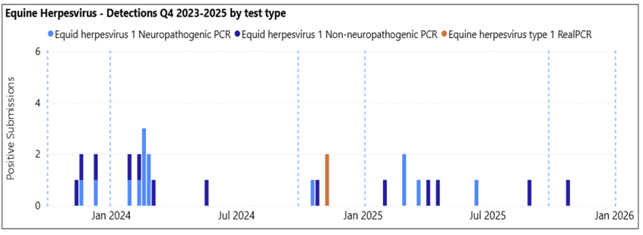
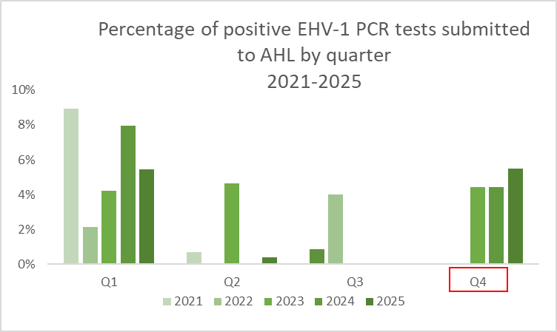
Equine Herpesvirus-1: There was 1 facility affected by EHV-1 neurologic disease in Q4 in the Regional municipality of Waterloo (non-neuropathic strain).
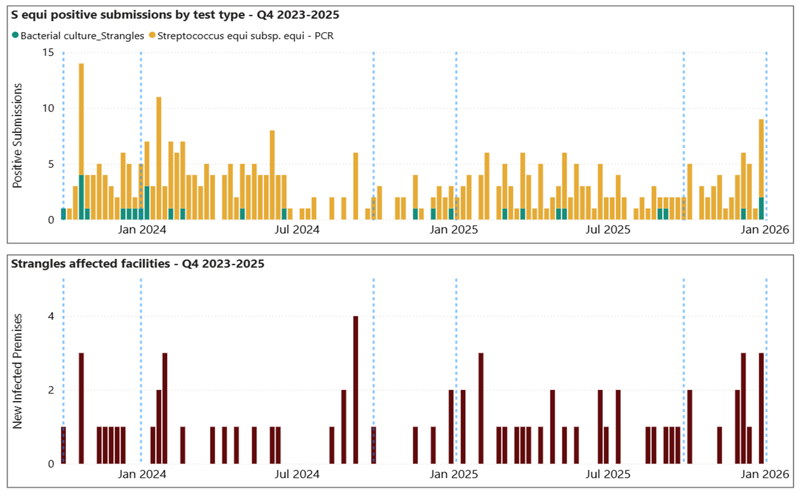
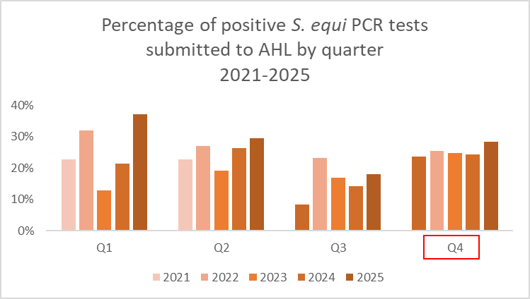
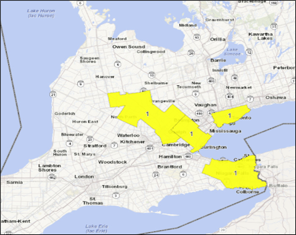 Strangles: During Q4 there were 12 new facilities managing Strangles for a total of. There were 38 facilities affected by Strangles in 2024. 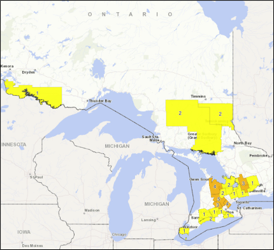
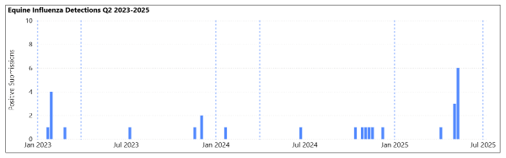
Equine Influenza: There were no facilities affected by influenza in Q4.
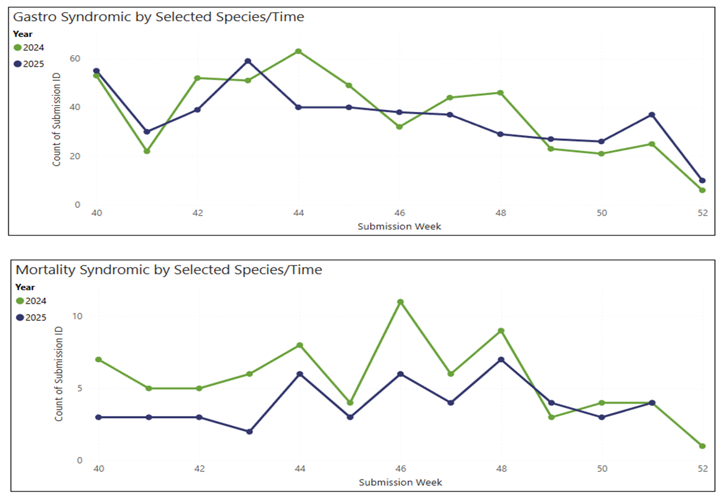
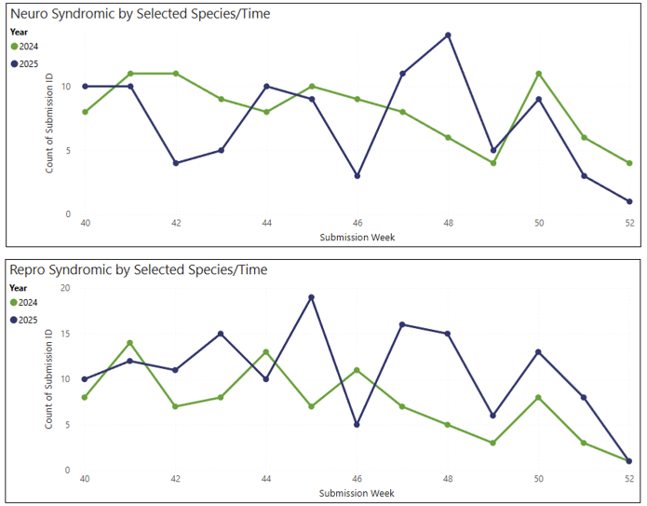
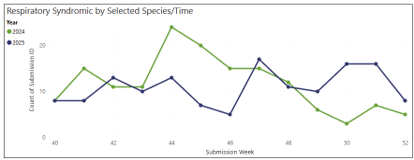
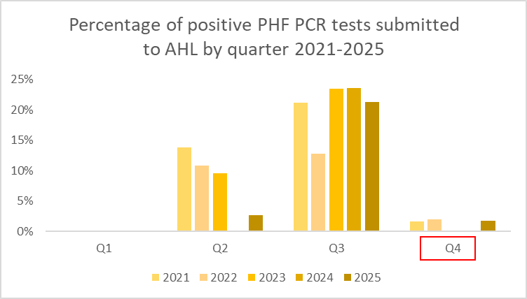
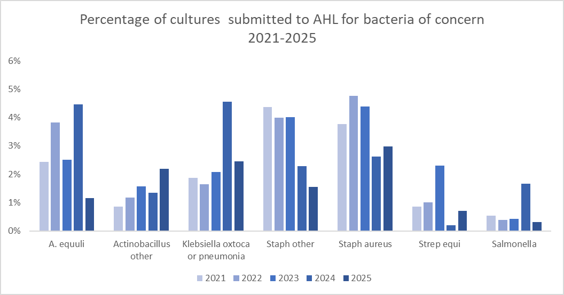
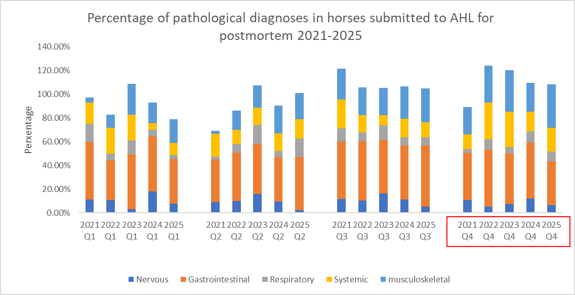
Q3 Equine Syndromic Surveillance: Graphs of disease syndromes based on samples sent for testing to the Animal Health Laboratory. This information is compiled based on the type of sample, test ordered, and key terms included in the submission history (if provided).
|
Please follow:
Outbreaks | Equine Disease Communication Center (equinediseasecc.org) for reported outbreaks!
Syndromic and AHL Laboratory Data Surveillance
Survey – Key points
- 29 Counties represented
- 53% equine, 13% mixed animal, 13% equine and food animal, 13% referral practice and 7% equine and small animal
- 23% of veterinarians reported working with pleasure/backyard horses, 23% with performance/Competition/Show horses , 17% with foals, breeding and young stock, 13% with mules/donkeys, 9% with draft horses, 9% racehorses and 5% with buggy horses.
- Increases in Q4 were noted for (adult): Fevers of unknown origin, undifferentiated colitis cases, impaction colics, asthma, strangles, EHV 2&5 infections, viral upper respiratory tract infections, surgical colics, Potomac Horse Fever cases, undiagnosed neurologic disease, ringworm, pododermatitis, allergic dermatitis, EMS, PPID, vaccine reactions, cellulitis, lymphoma, conjunctivitis
New conditions or those without a diagnosis:
- QH immune mediated myositis
- Large firm swelling on the mandible of a weanling. Ultrasound and fine needle aspirate were non-diagnostic
- Fever and peripheral limb edema – suspected EHV-1 but no testing completed.
- Fever of unknown origin. Negative for EI/EHV, PHF and Anaplasma.
- Severe diffuse small and large intestinal inflammation and thickening similar to inflammatory bowel disease but no diagnosis on histopathology.
- Adult fever of unknown origin , negative to all diagnostics including blood culture when febrile
- Have 4 complex medical/orthopedic cases ongoing which is significantly more than usual for the end of December.
Equine Research from Ontario and Around the World
Researchers in Ontario
Descriptive network analysis of Ontario, Canada equine competitions: implications for disease control.Rossi TM, O’Sullivan TL, Greer AL.BMC Vet Res. 2025 Dec 23;22(1):43. doi: 10.1186/s12917-025-05248-z.PMID: 41430608 Free PMC article.
Spatiotemporal patterns in British racing and equestrian sports: Implications for pathogen transmission.McGilvray TA, Stevens KB, Spence KL, Rosanowski SM, Slater J, Cardwell JM.Equine Vet J. 2025 Dec 5. doi: 10.1111/evj.70126. Online ahead of print.
Listeria monocytogenes septicemia in foals: A case series (1986 to 2024).Sjolin E, Espinosa D, Arroyo L, Kenney D, Lack A, Baird J.Can Vet J. 2026 Jan 1;67(1):43-49. eCollection 2026 Jan.
Long-term assessment of nephrosplenic space closure in horses.Cantarelli C, Cribb NC, Delli-Rocili M, Brisson B, Zur Linden A, Caswell JL.Can J Vet Res. 2026 Jan 1;90(1):7-15. eCollection 2026 Jan.PMID: 41585009 Free PMC article.
Molecular prevalence of equine alphaherpesvirus-1 shedding in healthy broodmares in Ontario.Cooper CJ, Arroyo LG, Hammermueller JD, Botts MM, Pearl DL, Wootton SK, Lillie BN.Can J Vet Res. 2026 Jan 1;90(1):16-24. eCollection 2026 Jan.PMID: 41585008 Free PMC article.
Whole blood glutathione peroxidase activity in Standardbred broodmares supplemented with vitamin E and selenium.Baird JD, Arroyo LG, Lumsden JH.Can J Vet Res. 2026 Jan 1;90(1):25-29. eCollection 2026 Jan.PMID: 41585003 Free PMC article.
Surgical site infection definitions consensus: a first step toward improving prevention in veterinary medicine.Verwilghen DR et al. .Am J Vet Res. 2025 Dec 17:1-14. doi: 10.2460/ajvr.25.03.0099. Online ahead of print.PMID: 41406594 Free article.
Researchers around the world
Antimicrobial use / resistance
Tackling equine antimicrobial resistance: introducing REIN In AMR. Barber C, McGlennon A, Whitlock F, Grewar J, Spalding S, Newton R, Dewé T.Vet Rec. 2025 Nov/Jun 29;197(11):454. doi: 10.1002/vetr.70144.
Prevalence of antimicrobial resistance in equine-associated Pseudomonas aeruginosa: a systematic review and meta-analysis.Yang L, Xie Y, Zhong G, Liu D, Zhu Y, Li J.BMC Vet Res. 2025 Dec 22;22(1):44. doi: 10.1186/s12917-025-05190-0.PMID: 41430701 Free PMC article.
Compounded oral doxycycline in late-term pregnant mares: pharmacokinetics, fetoplacental diffusion, and neonatal safety.Dantas FTDR, Canisso IF, Feijó LS, de Vasconcelos PMF, Campos ML, Ulanov AV, Li Z, Pizzi GLBL, Nogueira CEW, Curcio BR.Theriogenology. 2026 Mar 1;252:117783.
Cardiology
The Dual Nature of Sinoatrial Node Remodelling in Athletes: A Systematic Review of Electrophysiological Adaptations and the Pathological Tipping Point. Yue L, Li J, Wang H, Li S, Zhang H.Int J Mol Sci. 2025 Dec 15;26(24):12052. doi: 10.3390/ijms262412052.PMID: 41465479 Free PMC article. Review.
Metformin Protects Against Persistent Atrial Fibrillation in an Equine Model. Haugaard SL, Schneider MJ, Kjeldsen ST, Sattler SM, Bastrup JA, Saljic A, Birk JB, Hansen C, Synnestvedt JN, van Hunnik A, Sobota V, Carstensen H, Hopster-Iversen C, Schwarzwald CC, Altintaş A, Barrès R, Jepps TA, Larsen S, Kjøbsted R, Wojtaszewski JFP, Barrado Ballestero S, Roostalu U, Herum KM, Jespersen T, Nattel S, Nissen SD, Buhl R.Circ Arrhythm Electrophysiol. 2025 Dec;18(12):e013850. doi: 10.1161/CIRCEP.125.013850. Epub 2025 Dec 2.PMID: 41328576 Free PMC article.
Endocrinology
Thyroid Disease in Horses-Retrospective Case Series on Patients Examined for Thyroid Disease in an Equine University Clinic (2009-2024). Stoeckle SD, Stage HJ, Gehlen H.Vet Sci. 2025 Nov 27;12(12):1127. doi: 10.3390/vetsci12121127.PMID: 41472107 Free PMC article.
The ACTH ratio validates the thyrotropin-releasing hormone stimulation test to diagnose pituitary pars intermedia dysfunction but does not enhance performance. Auvinen JRE, Stapley ED, Bertin FR.Am J Vet Res. 2025 Dec 30:1-5. doi: 10.2460/ajvr.25.10.0359. Online ahead of print.PMID: 41468738 Free article.
Effect of transdermal melatonin on circulating cortisol and blood chemistry in horses exposed to transport stress. Crossland WL, Aviles-Rosa EO, Perry EB, Crowell C, Webberson E, Brown J, Fassbender J.J Equine Vet Sci. 2025 Dec 26;157:105756. doi: 10.1016/j.jevs.2025.105756.
Horses diagnosed with pituitary pars intermedia dysfunction do not have shorter life expectancies but experience more medical events during their lifetime. Stapley E, Gillespie-Harmon C, Waxman S, Farr A, Bertin FR.J Am Vet Med Assoc. 2025 Dec 17:1-7. doi: 10.2460/javma.25.08.0533. Online ahead of print.
Leucine, pyridoxine and resveratrol supplementation alter metabolic parameters in ponies with equine metabolic syndrome.Norton EM, Plumb S, Shane D, Smalley L, McKendry K, Scharf B, Zemel M.Equine Vet J. 2025 Dec 8. doi: 10.1002/evj.70135. Online ahead of print.
Pilot study of beta-endorphin concentrations in horses with pituitary pars intermedia dysfunction using a newly validated enzyme-linked immunosorbent assay. Fouché N, Howard J, Gerber V, Billmann P, Farinha do Sul M, Christen G, Bruckmaier R, Philipona C, Schmutz NB, Gross J.Domest Anim Endocrinol. 2025 Nov 26;95:106982. doi: 10.1016/j.domaniend.2025.106982. Online ahead of print.PMID: 41317409 Free article.
Bile acids segregate metabolic syndrome in a cohort of 100 deeply phenotyped horses. Donnelly CG, Peng S, Pflieger L, Manfredi J, Coleman M, Rappaport N, Price ND, Finno CJ.Commun Biol. 2025 Nov 27;8(1):1711. doi: 10.1038/s42003-025-09111-7.PMID: 41310118 Free PMC article.
Gastroenterology
Intra-rater and inter-rater reliability of ultrasonographic intestinal wall thickness measurements in healthy horses. Hansen T, Kendall A, Finne R, Law E, Ringdahl A, Nostell K.Equine Vet J. 2026 Jan 4. doi: 10.1002/evj.70147. Online ahead of print.
Evaluation of a nutraceutical for prevention of equine ulcer recurrence. Hansen S, Tecles F, Cerón JJ, From C, Carstensen H, Muñoz-Prieto A.Equine Vet J. 2025 Dec 30. doi: 10.1002/evj.70143. Online ahead of print.
Clinical features, diagnostic findings, and treatment response in Finnish horses examined for equine inflammatory bowel disease. Pekkarinen HM, Simola U, Niinistö KE, Syrjä PES.Acta Vet Scand. 2025 Dec 3;68(1):2. doi: 10.1186/s13028-025-00831-8.PMID: 41339891 Free PMC article.
Beneath the surface: gut microbes, cyathostomins and resident immune cells – Characterising the baseline. Yerlikaya Z, Miranda-CasoLuengo R, Jahns H, Byrne O, Meijer WG, Mulcahy G, Walshe N.Int J Parasitol. 2025 Dec 7:104755. doi: 10.1016/j.ijpara.2025.11.007. Online ahead of print.
Hoof
Cannabinoid and cannabinoid related receptors in fibroblasts, inflammatory and endothelial cells of the equine hoof with and without laminitis: novel pharmacological target. Zamith Cunha R, Gobbo F, Morini M, Salamanca G, Zanoni A, Bernardini C, Gramenzi A, Chiocchetti R.Front Vet Sci. 2025 Nov 28;12:1723160. doi: 10.3389/fvets.2025.1723160. eCollection 2025.PMID: 41394912 Free PMC article.
Horse Racing
Stable Levels of Thiol-Oxidised Plasma Albumin, a Biomarker of Oxidative Stress, Is Correlated with Enhanced Performance in Australian Thoroughbred Racehorses. James C, Sheahan J, Arthur P.Animals (Basel). 2025 Dec 12;15(24):3580. doi: 10.3390/ani15243580.PMID: 41463865 Free PMC article.
Exercise-specific plasma proteomic signatures in racehorses: Candidates for training adaptation and peak load monitoring. Grzędzicka J, Świderska B, Sitkiewicz E, Dąbrowska I, Witkowska-Piłaszewicz O.Equine Vet J. 2025 Dec 29. doi: 10.1002/evj.70146. Online ahead of print.
Transcriptomic Remodeling of Pulmonary Vein Sleeves Suggests a Role in Atrial Arrhythmogenesis in Thoroughbred Horses. Arevalo-Turrubiarte M, Edling CE, Moller-Levet C, Forbes B, Kemp V, Weir J, Marr C, Lewis R, Jeevaratnam K.Ann N Y Acad Sci. 2025 Dec 15. doi: 10.1111/nyas.70170. Online ahead of print.
The impact of cumulative bone fatigue on musculoskeletal injury risk in racing Thoroughbreds. Morrice-West AV, Wong ASM, Hitchens PL, Whitton RC.Vet J. 2025 Dec;314:106502. doi: 10.1016/j.tvjl.2025.106502. Epub 2025 Nov 19.PMID: 41271082 Free article.
Outcome of Standardbred racehorses following femoropatellar arthroscopy for osteochondrosis dissecans. Rhodes AD, McCoy AM, Stewart MC, Gutierrez-Nibeyro SD.Vet Surg. 2025 Nov 21. doi: 10.1111/vsu.70058. Online ahead of print.
Infectious Disease
Mycobacterium avium subsp. hominissuis infection in horses with granulomatous enterocolitis – first report in Poland. Nowicka B, Łopuszyński W, Krajewska-Wędzina M, Biazik A, Sobuś M, Polkowska I, Szacawa E.J Vet Res. 2025 Dec 10;69(4):545-552. doi: 10.2478/jvetres-2025-0067. eCollection 2025 Dec. Free PMC article.
Unveiling Equine Abortion Pathogens: A One Health Perspective on Prevalence and Resistance in Northwest China. Gao W, Liu M, Nurdaly K, Caidan D, Sun Y, Duan J, Zhao J, Gong X, Zhou J, Zhang Y, Chen Q.Pathogens. 2025 Dec 11;14(12):1275. doi: 10.3390/pathogens14121275.PMID: 41471229 Free PMC article.
Closing the Stable Door on Strangles: Serological Responses of Vaccinated Horses on a Farm Following the Arrival of a New Horse. Rask E, Righetti F, Ruiz A, Bjerketorp J, Frosth S, Frykberg L, Jacobsson K, Guss B, Flock JI, Henriques-Normark B, Hartman E, Gustafsson A, Paillot R, Waller AS.Animals (Basel). 2025 Dec 13;15(24):3584. doi: 10.3390/ani15243584.PMID: 41463869 Free PMC article.
Equine leptospiral pulmonary haemorrhage syndrome: An atypical manifestation of equine leptospirosis. Decoster C, Lefère L, Raes E, van Loon G, Dufourni A.Equine Vet J. 2025 Dec 26. doi: 10.1002/evj.70138. Online ahead of print.
Chronic hepatitis in horses with persistent equine hepacivirus infection. Jager MC, Luethy D, Shallop S, Cathcart J, Divers TJ, Tan JY, Beasley EM, Johnson P, Leduc L, Smith C, Jamieson CA, Magdesian KG, Van de Walle GR, Tomlinson JE.Equine Vet J. 2025 Dec 25. doi: 10.1111/evj.70124. Online ahead of print.
Identification of a novel equine rhinitis B virus detected in horse from Japan. Ketphan W, Sato M, Tsujimura K, Mizutani T, Takemae H.J Vet Med Sci. 2025 Dec 23. doi: 10.1292/jvms.25-0379. Online ahead of print.PMID: 41443821 Free article.
Geographic diversity of the Streptococcus equi subsp. equi accessory genome: implications for vaccines and global surveillance. He L, Khine NO, Song J, Loubière C, Butaye P.Front Vet Sci. 2025 Nov 28;12:1721958. doi: 10.3389/fvets.2025.1721958. eCollection 2025.PMID: 41394906 Free PMC article.
Implementing evidence-based biosecurity protocols in Veterinary Teaching Hospitals: a critical review and guide for best practices. Corbera JA, Melián Henríquez A, Morales Doreste M, Martín Martel S, Tejedor-Junco MT.Anim Health Res Rev. 2025 Dec 12;26:e5. doi: 10.1017/S1466252325100030.
Epidemiology and risk factors of equine parvovirus-hepatitis, hepacivirus, Pegivirus caballi, and Pegivirus equi in horses from the Southern United States. Barua S, Tarannum A, Huber L, Easterwood LA, Velayudhan B, Da Silveira BP, Enyetornye B, Cohen ND, Dimitrov KM, Schwarz ER, Awtrey A, Groover E, Barua S, Naskou M, Wang C.Vet Microbiol. 2026 Jan;312:110831. doi: 10.1016/j.vetmic.2025.110831. Epub 2025 Dec 9.PMID: 41380367 Free article.
Synovial chemokine and cytokine profiles in horses with and without systemic Borrelia burgdorferi infection. Clark KF, Lemcke RA, Gasiorowski JC, Wagner B.Equine Vet J. 2025 Nov 26. doi: 10.1111/evj.70123. Online ahead of print.
Equine Herpesvirus Infections: Treatment Progress and Challenges in Horses and Donkeys. Khan MZ, Ji Y, Fan X, Liu Y, Liu W, Wang C.Vet Sci. 2025 Nov 13;12(11):1082. doi: 10.3390/vetsci12111082.PMID: 41295720 Free PMC article.
Science-in-brief: The equine microbiome-What have we learned 5 years on? Hewetson M.Equine Vet J. 2025 Nov 24. doi: 10.1111/evj.70127. Online ahead of print.
Reining in strangles: Absence of disease in horses vaccinated with a DIVA-compatible recombinant fusion protein vaccine, Strangvac, following natural exposure to Streptococcus equi subspecies equi. Gröndahl G, Righetti F, Aspán A, Bjerketorp J, Frosth S, Frykberg L, Jacobsson K, Guss B, Paillot R, Flock JI, Henriques-Normark B, Waller AS.Equine Vet J. 2025 Nov 23. doi: 10.1111/evj.70125. Online ahead of print.
Miscellaneous
Predicting Veterinary Career Intentions Using Motivational Characteristics: A Survey Study Among Hungarian Students. Szücs L, Fehérvári P, Ózsvári L.Vet Sci. 2025 Dec 12;12(12):1189. doi: 10.3390/vetsci12121189.PMID: 41472169 Free PMC article.
Human emotional odours influence horses‘ behaviour and physiology.Jardat P, Destrez A, Damon F, Tanguy-Guillo N, Lainé AL, Parias C, Reigner F, Ferreira VHB, Calandreau L, Lansade L.PLoS One. 2026 Jan 14;21(1):e0337948. doi: 10.1371/journal.pone.0337948. eCollection 2026.PMID: 41533708 Free PMC article.
Neurology
Outbreak of digital extensor dysfunction compatible with acquired equine polyneuropathy observed for the first time in Iceland. Björnsdóttir S, Sigurðardóttir ÓG, Oddsdóttir C, Reynisdóttir I, Hanche-Olsen S, Gröndahl G.Acta Vet Scand. 2025 Nov 26;67(1):50. doi: 10.1186/s13028-025-00835-4.PMID: 41299546 Free PMC article.
Nutrition
Scientific Evidence and Common Perceptions of Factors Affecting Sugar Content in Pasture Grass: Is There a Link With Pre-existing Horse-Related Experience? Moaby I, Aitken A, Varga S.Vet Med Sci. 2026 Jan;12(1):e70778. doi: 10.1002/vms3.70778.PMID: 41548206 Free PMC article.
From wheat bran to equine gut: the in vitro fermentation dynamics of aleurone. Boshuizen B, Willems M, De Maré L, Hosotani G, De Oliveira JE, Horemans B, Vidal Moreno De Vega C, Verdegaal EJMM, Delesalle C.Front Physiol. 2025 Nov 11;16:1644738. doi: 10.3389/fphys.2025.1644738. eCollection 2025.PMID: 41306567 Free PMC article.
The use of hay nets and slow feeders as feeding methods in horse management: A semi-systematic review. Amaje J, Upton S, Garba UM, Jolayemi KO.J Equine Vet Sci. 2025 Dec 30;157:105762. doi: 10.1016/j.jevs.2025.105762. Online ahead of print.PMID: 41478609 Review.
Postbiotics: Multifunctional Microbial Products Transforming Animal Health and Performance. Prasad S, Patel B, Kumar P, Lall R.Vet Sci. 2025 Dec 12;12(12):1191. doi: 10.3390/vetsci12121191.PMID: 41472171 Free PMC article. Review.
Orthopedics
Natural progression of tarsal osteochondrosis in Standardbred pacers and trotters. McCoy AM, Lopp-Schurter CT, Bishop RC, Narotsky A, Grogger K, Kemper AM.Vet Surg. 2026 Jan 3. doi: 10.1111/vsu.70073. Online ahead of print.
Metabolomic analysis of synovial fluid from healthy and pathological equine joints and tendon sheaths using high-resolution (1)H Nuclear Magnetic Resonance. Guadalupi M, et al. L.Front Vet Sci. 2025 Dec 16;12:1671176. doi: 10.3389/fvets.2025.1671176. eCollection 2025.PMID: 41477162 Free PMC article.
A GPS-based investigation into the relationship between exercise irregularity and osteochondritis dissecans in Thoroughbred weanlings: A case-control study. Sohn Y, An SJ, Forbes E, Yoon J, Kim BS, Ryu SH, Lee I.Vet J. 2025 Dec 11;315:106537. doi: 10.1016/j.tvjl.2025.106537. Online ahead of print.
Degenerative Changes in MCP/MTP Joints of Working Horses Without Lameness: Integrating CT-Based Assessment and Synovial Fluid Biomarkers. Marković L, Vićić I, Lazarević Macanović M, Francuski Andrić J, Kovačević Filipović M, Radaković M.Animals (Basel). 2025 Nov 24;15(23):3392. doi: 10.3390/ani15233392.PMID: 41375451 Free PMC article.
Long-Term Prognosis of Complete Rupture of the Superficial Digital Flexor Tendon in 25 Horses – A Retrospective Study. Stäubli T, Theiss F, Bischofberger A.Schweiz Arch Tierheilkd. 2025 Dec;167(12):659-667. doi: 10.17236/sat00468.PMID: 41327957 Free article.
Synovial Fluid and Serum MicroRNA Signatures in Equine Osteoarthritis. Castanheira CIGD, Taylor S, Skiöldebrand E, Rubio-Martinez LM, Hackl M, Clegg PD, Peffers MJ.Int J Mol Sci. 2025 Nov 19;26(22):11190. doi: 10.3390/ijms262211190.PMID: 41303673 Free PMC article.
Pain
Preliminary investigation of equine veterinary hospital staff attitudes towards pain assessment in a single centre. Curry O, Everett A, Pearson G, Dwyer C, Duncan J.Vet Rec. 2025 Dec 4. doi: 10.1002/vetr.6122. Online ahead of print.
Parasitology
Effect of Parasitic Infections on Hematological Profile, Reproductive and Productive Performance in Equines. Ullah A, Geng M, Chen W, Zhu Q, Shi L, Zhang X, Akhtar MF, Wang C, Khan MZ.Animals (Basel). 2025 Nov 14;15(22):3294. doi: 10.3390/ani15223294.PMID: 41302002 Free PMC article. Review.
Rehabilitation
Pilot study: Effects of whole-body vibrational therapy on equine thoracolumbar epaxial muscle response to pressure algometry. Leibeck R, Lehman J, Birmingham S.Res Vet Sci. 2025 Dec 15;199:106027. doi: 10.1016/j.rvsc.2025.106027. Online ahead of print.
Reproduction
Umbilical cord torsion abortion: the gross and histological features of affected umbilical cords and fetal membranes. Lawson JM, Verheyen KL, Laroucau K, Bryan JS, Smith KC, Foote AK, de Mestre AM.Theriogenology. 2026 Mar 1;252:117771. doi: 10.1016/j.theriogenology.2025.117771. Epub 2025 Nov 21.PMID: 41338002 Free article.
Sports medicine
Extracorporeal shock wave therapy for equine musculoskeletal disorders: from biological mechanisms to clinical applications. Qiu Z, Wang J, Zhang Y, Liu X, Wei C, Ma T.Front Vet Sci. 2025 Dec 19;12:1719123. doi: 10.3389/fvets.2025.1719123. eCollection 2025.PMID: 41487475 Free PMC article.
Alpha2EQ downregulates proinflammatory cytokine and chemokine gene expression in cultured synovial fibroblasts. Pugliese BR, Rosario FKR, Schnabel LV.Am J Vet Res. 2025 Dec 30:1-12. doi: 10.2460/ajvr.25.09.0319. Online ahead of print.PMID: 41468692 Free article.
Senescence-associated gene pathways are differentially expressed in equine aging-related osteoarthritis. Singer J, Chow L, Ammons D, Sabino I, Impastato R, Dow S, Pezzanite LM.Am J Vet Res. 2025 Dec 30:1-11. doi: 10.2460/ajvr.25.09.0343. Online ahead of print.PMID: 41468690 Free article.
Evaluating the Accuracy of a Vision-Based Algorithm for Groundline Estimation in Trotting Horses Using Multiple Camera Angles. Key K, Berg K, Kirkegaard J, Andresen KR, Hansen SS.Vet Med Sci. 2026 Jan;12(1):e70739. doi: 10.1002/vms3.70739.PMID: 41467589 Free PMC article.
Evaluation of Concentration Changes in Plasma Amino Acids and Their Metabolites in Eventing Horses During Cross-Country Competitions as Potential Performance Predictors. Reemtsma FP, Giers J, Horstmann S, Stoeckle SD, Gehlen H.Animals (Basel). 2025 Dec 17;15(24):3640. doi: 10.3390/ani15243640.PMID: 41463924 Free PMC article.
Addressing Heterogeneity in Equine PRP Therapies: A Scoping Review of Methods, Evidence, and Commercial Validation. Carmona JU, López C, Argüelles D.Animals (Basel). 2025 Dec 13;15(24):3586. doi: 10.3390/ani15243586.PMID: 41463871 Free PMC article.
Comparison of body temperatures and pulse rate between athletic and non-athletic horses during the hot-humid condition. Ake AS, Akinniyi OO.Int J Biometeorol. 2025 Dec 24;70(1):1. doi: 10.1007/s00484-025-03106-z.
Degenerative Changes in MCP/MTP Joints of Working Horses Without Lameness: Integrating CT-Based Assessment and Synovial Fluid Biomarkers. Marković L, Vićić I, Lazarević Macanović M, Francuski Andrić J, Kovačević Filipović M, Radaković M.Animals (Basel). 2025 Nov 24;15(23):3392. doi: 10.3390/ani15233392.PMID: 41375451 Free PMC article.
Association Between Stride Parameters and Racetrack Curvature for Thoroughbred Chuckwagon Horses. van den Broek M, Chan ZYS, De Bruyne C, Garcia-Alamo K, Skotarek Loch S, Pfau T.Sensors (Basel). 2025 Dec 4;25(23):7376. doi: 10.3390/s25237376.PMID: 41374751 Free PMC article.
Intra-articular methylprednisolone acetate does not induce hyperinsulinemia or hyperglycemia in metabolically normal horses. Page AE, McPeek JL, Carattini S, McGreevy E, Adam E.J Am Vet Med Assoc. 2025 Dec 10:1-6. doi: 10.2460/javma.25.08.0566. Online ahead of print.
Opinions of trainers of Warmblood, Thoroughbred and Trotter horses in Germany on the pretraining management of yearlings and two-year-old horses – a qualitative analysis. Pilger F, Aurich C, Aurich JE.J Equine Vet Sci. 2026 Jan;156:105736. doi: 10.1016/j.jevs.2025.105736. Epub 2025 Nov 20.PMID: 41274428
Changes in Fitness Parameters in Ridden Trained Showjumping Horses After Healing of Gastric Ulcers: Preliminary Results.Busechian S, Di Salvo A, Orvieto S, Rueca F, Villella C, Sollevanti G, Pieramati C, Nisi I, Della Rocca G.Vet Sci. 2025 Dec 21;13(1):9. doi: 10.3390/vetsci13010009.PMID: 41600665 Free PMC article.
Welfare
Monitoring Weaning Stress in Fillies and Colts on a Thoroughbred Breeding Farm by Cortisol and Blood Inflammatory Markers: The Benefits of Gradual Separation and Social Support. Deniz Ö, Erol HS, van den Hoven R, Onmaz AC, Aragona F, Fazio F.Animals (Basel). 2025 Dec 10;15(24):3551. doi: 10.3390/ani15243551.PMID: 41463836 Free PMC article.
Longitudinal welfare assessment in French jump racehorses during season preparation. Bonhomme MM, Boisdenghien L, Couroucé A, Votion DM.Equine Vet J. 2025 Dec 21. doi: 10.1002/evj.70142. Online ahead of print.PMID: 41424082 Free article.
I feel your pain: Individual differences in welfare indicators after castration in horses. Briefer-Freymond S, Dalla Costa E, Jolivald A, Bruckmaier RM, Atallah E, Giorgia Riva M, Ijichi C.Vet J. 2025 Dec 16;315:106538. doi: 10.1016/j.tvjl.2025.106538. Online ahead of print.PMID: 41412505 Free article.
Ontario equine disease surveillance summary
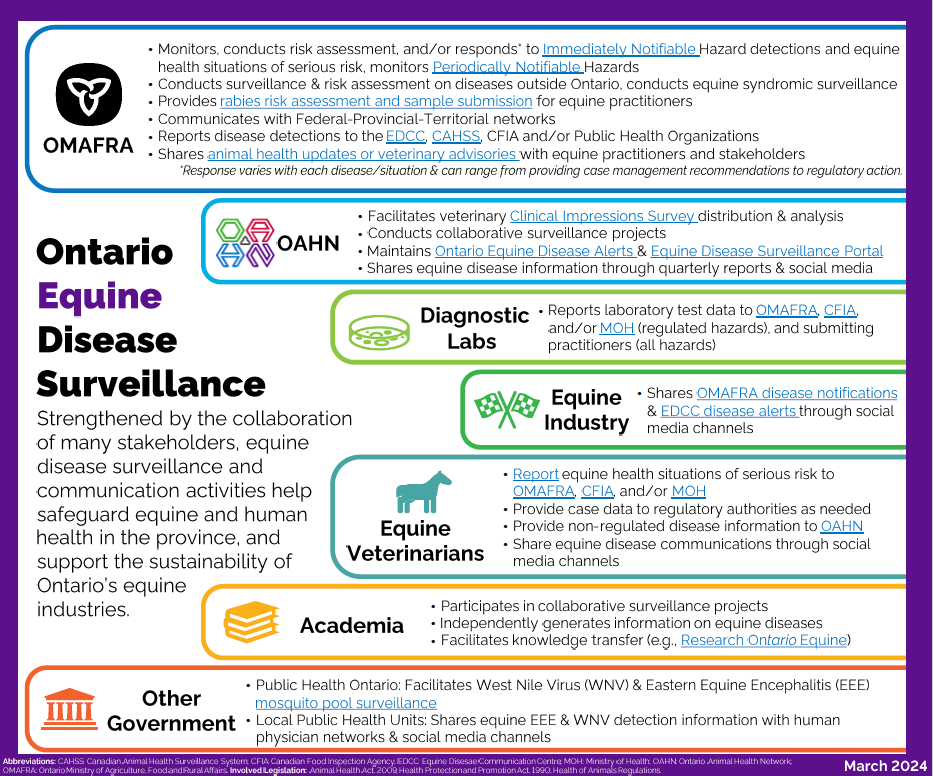
Equine disease surveillance in Ontario is a collaborative effort involving many public and private stakeholders. Diagnostic results generated by veterinary laboratories, clinical impression and case data provided by equine veterinarians, disease detections reported outside of Ontario by independent organizations, vector surveillance conducted by human health agencies, and research projects facilitated by Academic institutions or the Ontario Animal Health Network (OAHN), are all key sources of surveillance data. Strong communication between these stakeholders and with horse owners and caretakers supports both equine and human health in Ontario.
Please follow the links in the summary above for additional information on the associated activities or organizations and for many resources useful to equine industry members.
ResearchONequine.ca is a website developed by the Ontario Animal Health Network equine network to help increase research awareness and to connect researchers from academia, industry and government with the ultimate goal of improving the lives of all equines. It was supported by OAHN and the Ontario Association of Equine Practitioners.