Equine Veterinary Report – Q2 2026
Ontario Animal Health Network (OAHN)
Equine Quarterly Veterinary Report
BITS ‘N SNIPS
Let your colleagues know about non-immediately notifiable disease outbreaks in your area!
If you are managing an outbreak at a farm or facility, you can let veterinarians in the area know by filling in the OAHN disease surveillance submission form. OAHN can then post the anonymous information to the OAEP and OAHN listservs. Equine Disease Surveillance Submission Form – Ontario Animal Health Network
During our Q2 network call, we briefly discussed congenital hypothyroidism in foals as we had heard a veterinarian had diagnosed several cases. Below is a brief outline of what we know about the syndrome.
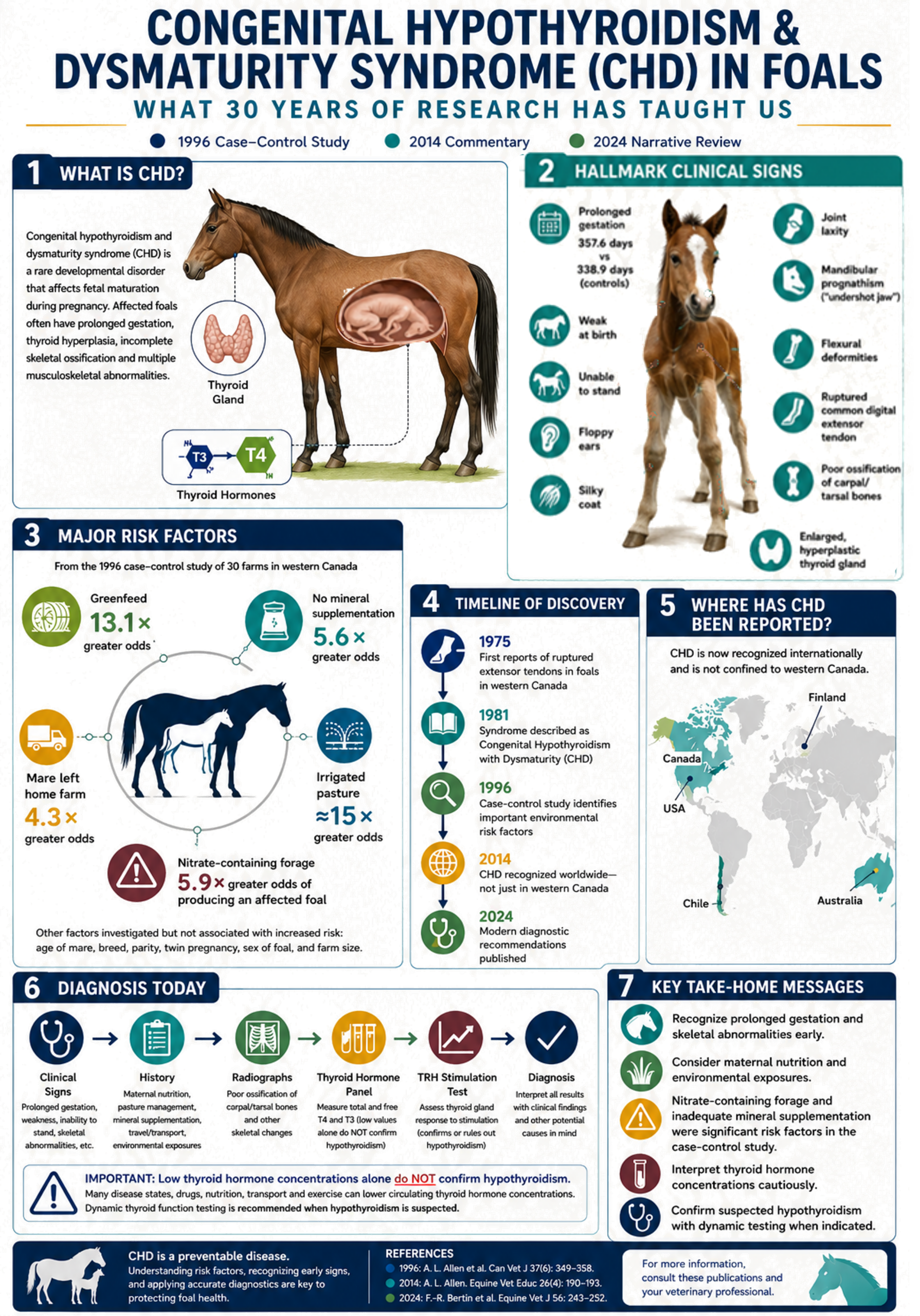
Congenital Hypothyroidism and Dysmaturity Syndrome (CHD) in Foals
What is CHD?
Congenital Hypothyroidism and Dysmaturity Syndrome (CHD) is an uncommon developmental disorder of foals characterized by delayed fetal maturation and multiple developmental abnormalities. Clinical features may include prolonged gestation, incomplete ossification of the cuboidal bones, multiple musculoskeletal deformities including mandibular prognathism, thyroid enlargement (goitre), and weakness at birth. Mares of affected foals are clinically unaffected.
Similar clinical presentations have been reported for a syndrome simply called congenital hypothyroidism or goitre. The main difference between congenital hypothyroidism and CHD is that CHD is associated with prolonged gestation, has a higher incidence of mandibular prognathism and has histologic evidence of thyroid hyperplasia whereas congenital hypothyroidism has both thyroid hyperplasia and accumulation of colloid within the thyroid. It is difficult to understand from the literature if these are separate syndromes or if CHD is a more chronic state of congenital hypothyroidism.
Although first formally recognized in western Canada in 1981, case descriptions of from veterinarians going back as early as 1942. CHD has since been reported in several countries including multiple areas of Canada (including Ontario), USA, Chile, Australia and Finland. Research over the past three decades suggests that environmental and nutritional factors play important roles in disease development, but the exact cause has not been fully established.
What Causes CHD?
Current evidence suggests that CHD is likely multifactorial with several factors identified as contributing, including:
Nutritional factors
- Low dietary iodine
- Glucosinolate-containing plants (mustards, Brassica species, canola) Glucosinolates (sinigrin) decrease T4 responsiveness
- Nitrate-containing forage including greenfeeds (immature forages i.e. green chop) and nitrate accumulating weeds such as pigweed, lamb’s quarters, Canada thistle, kochia, dock and sweet clover
- Inadequate trace mineral supplementation
- Greenfeeds (immature forages/cereal crops i.e. green chop) are high in nitrates)
- Haylage
Environmental factors
- Irrigated pasture
- Mare moved during pregnancy
- Grazing nitrogenous soil in low-lying areas
Current understanding
Experimental work has shown that feeding mares glucosinolates together with a low-iodine diet reduces serum iodine concentrations, supporting the theory that iodine deficiency combined with glucosinolate exposure may impair thyroid function during pregnancy. However, the experimental study did not reproduce CHD in foals because pregnant mares were not studied.
What is the Role of Nitrates?
Research over the past three decades suggests that nitrate exposure during pregnancy is one of several environmental factors that may contribute to CHD in foals. Nitrates naturally occur in many forage crops and may accumulate under stressful conditions such as drought, frost, heavy nitrogen fertilization, or irrigation. Once consumed, nitrate is converted to nitrite by microorganisms in the gastrointestinal tract and eventually contributes to nitrogen metabolism.
The original western Canadian case-control study found that mares consuming nitrate-containing forage were nearly six times more likely to produce an affected foal than mares without this exposure. Irrigated pasture and greenfeed feeding were also strongly associated with disease, suggesting that forage management may influence risk.
Although these studies did not prove that nitrates directly cause CHD, they identified a consistent epidemiologic association that has guided subsequent research.
A Possible Biological Mechanism
Recent work has expanded understanding of how excess nitrogen may affect pregnancy.
Nitrate competes with iodide uptake by the thyroid gland and, in several species, has been associated with altered iodine metabolism and thyroid activity. When nitrates are ingested, they are reduced by that gut microbes to ammonia.
Taylor and colleagues demonstrated that some pregnant mares develop intermittent elevations in blood ammonia (hyperammonemia), reflecting periods when nitrogen production exceeds the body’s capacity for elimination. Elevated ammonia has been associated with disruption of hormone regulation, impaired fetal development, placental injury, and reduced reproductive performance. The authors propose that ammonia can diffuse into the amniotic fluid and persist there, potentially exposing the fetus even after maternal blood ammonia concentrations normalize.
Clinical Signs
Pregnancy
- Prolonged gestation
- Occasionally dystocia
Newborn foal
- Weakness
- Poor suckle reflex
- Difficulty standing
- Floppy ears
- Silky hair coat
- Goitre (enlarged thyroid)
Musculoskeletal abnormalities
- Delayed ossification of carpal and tarsal cuboidal bones
- Flexural limb deformities
- Angular limb deformities
- Joint laxity
- Mandibular prognathism
- Ruptured common digital extensor tendon
- Incomplete closure of the abdominal wall
Risk Factors Identified in the Original Case-Control Study
Several management practices were associated with increased odds of producing an affected foal:
These findings demonstrate association, not proof of causation.
Thyroid Hormone Testing: Why Interpretation Can Be Difficult
Healthy newborn foals normally have very high thyroid hormone concentrations immediately after birth that decline over the first few weeks of life. Premature foals naturally have lower concentrations than term foals, and illness can suppress thyroid hormones even further (non-thyroidal illness syndrome).
Therefore:
A low T₄ or T₃ concentration alone does not confirm congenital hypothyroidism.
In foals with CHD, T₃ and T₄ are low to normal but response to thyroid stimulating hormone (TSH) is decreased.
Diagnosing CHD
Diagnosis should be based on the combination of:
- Pregnancy history
- Clinical examination
- Radiographic evidence of delayed ossification
- Dynamic thyroid function testing (when indicated)
Practical Management Recommendations
During pregnancy
✔ Provide a balanced mineral supplement formulated for broodmares.
✔ Ensure adequate iodine intake without excessive supplementation.
✔ Evaluate forage quality if Brassica weeds or nitrate accumulation are suspected. Most forages can be evaluated for nitrates.
✔ Minimize major nutritional or environmental changes during late gestation.
After foaling
✔ Examine foals with prolonged gestation carefully.
✔ Obtain radiographs if delayed ossification is suspected.
✔ Consult a veterinarian promptly when developmental abnormalities are present
Key Messages
- CHD is uncommon but can have serious consequences for affected foals.
- Current evidence supports a multifactorial cause involving nutrition and environment.
- Glucosinolate exposure combined with inadequate iodine intake remains one of the leading hypotheses but has not been definitively proven as the sole cause.
- Nitrate exposure has also been documented as a significant risk for CHD.
- Diagnosis should integrate clinical findings, radiographs, history, and thyroid testing rather than relying on thyroid hormone concentrations alone.
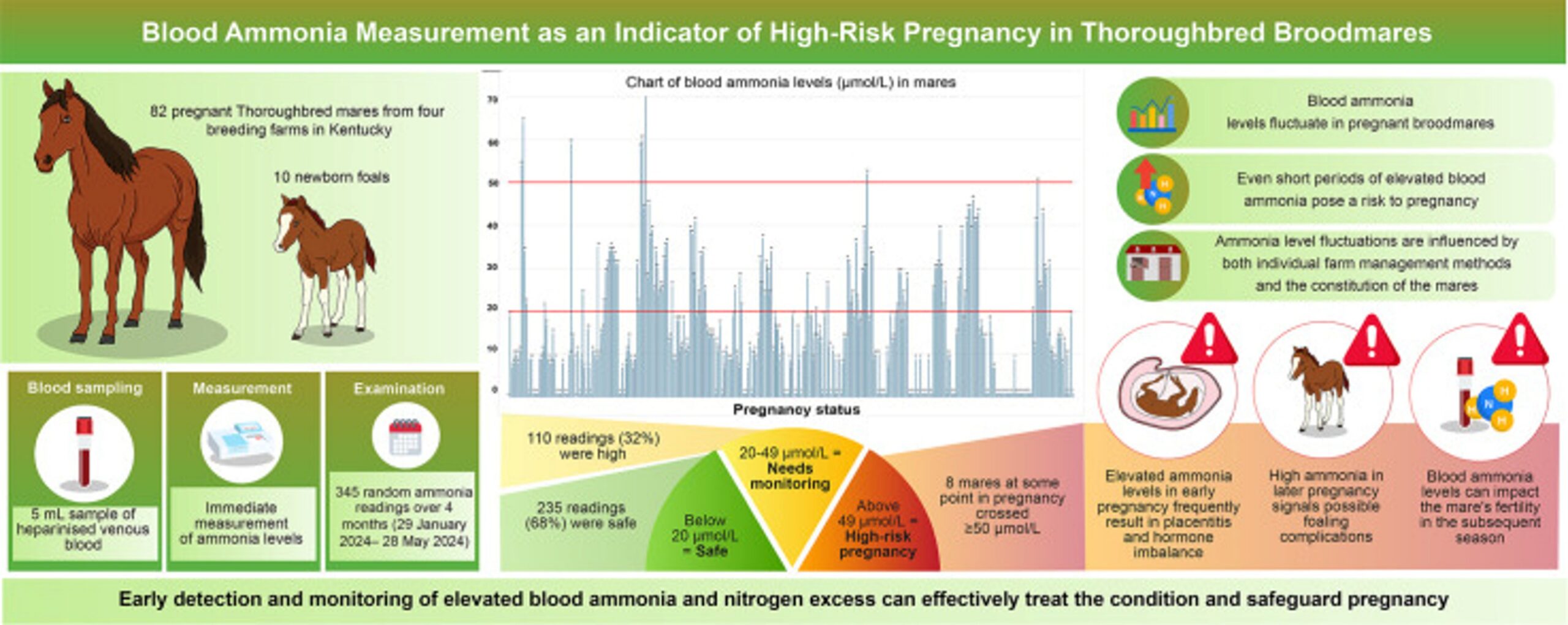
A recent paper has also evaluated blood ammonia levels as a potential indicator of high-risk pregnancy in Thoroughbred broodmares which could be of use on some farms . Taylor JR, Dorton AR, Robertson SL. Vet Anim Scie. 2026 Jun 25;334:100750 Blood ammonia levels: A potential indicator of high-risk pregnancy in Thoroughbred broodmares – PMC
References:
Swerczek TW, Dorton AR. Effects of nitrate and pathogenic nanoparticles on reproductive losses, congenital hypothyroidism and musculoskeletal abnormalities in mares and other livestock: New hypotheses. Animal and Veterinary Sciences. Vol 7, No 1, 2019, pp1-11 10.11648.j.avs.20190701.11
Koikkalainen, K., et al.” Congenital hypothyroidism and dysmaturity syndrome in foals: First reported cases in Europe – Koikkalainen – 2014 – Equine Veterinary Education – Wiley Online Library” Equine Veterinary Education 26.4 (2014): 181-189.
Allen, Andrew L., et al. “A case-control study of the congenital hypothyroidism and dysmaturity syndrome of foals.” The Canadian Veterinary Journal 37.6 (1996): 349. A case-control study of the congenital hypothyroidism and dysmaturity syndrome of foals – PMC
Allen, A. L. “Congenital hypothyroidism in horses: Looking back and looking ahead.” Equine Veterinary Education 26.4 (2014): 190.
Lopez-Rodriguez, Maria Fernanda, et al. “” Effects of the Glucosinolate Sinigrin in Combination With a Noniodine Supplemented Diet on Serum Iodine and Thyroid Hormone Concentrations in Nonpregnant Mares – ScienceDirect” Journal of equine veterinary science 91 (2020): 103110.
Network Member Reports
| Southwestern Ontario
(Melissa McKee) |
This quarter we had a number of horses with lacerations and eye issues. Two-year old racehorse lameness cases were increased at the end of May to early June. No strangles cases this quarter. With a late, but hard spring we had a surge in laminitis cases. The MRI has been running every day since the end of June with the vast majority of cases being hunter/jumpers competing on the same surfaces. A number of bone contusions (coffin, navicular and fetlock) were diagnosed as well DDF tendon injuries; more than we’ve seen in previous years. The number of warmblood breedings was increased and they were later in the year than typical. |
| Southern Ontario
(Jenna Donaldson) |
Our Q2 was uneventful for reproductive issues, with fewer dystocias and sick neonatal foals. We had the typical number of mares which were difficult to breed and clean up. We saw a higher percentage of laminitis cases in Q2; many with hyperinsulinemia, some with a structural onset, some with normal oral sugar tests and a couple of TBs with white line disease / bad feet and rotated which were tricky to manage. One mare had laminitis after foaling without a metritis and no endocrine pathologies present.. |
| Eastern Ontario
(John Donavan) |
Q2 was relatively quiet. The biggest issue was an increase in laminitis cases coinciding with the resurgence of new spring grass. We also saw an increase in pastern dermatitis and cellulitis as well as colics (spasmodic and gas) associated with the grass. We had a couple of surgical colics; one horse had a small intestinal torsion, 80 cm of intestine was removed. The horse re-impacted and a second surgery was done where an abscess at the surgical anastomosis site was found. The horse is recovering well. We also had an increase in ocular issues, namely corneal ulcers secondary to severe conjunctivitis. No PHF cases in Q2, but we saw a large number of anaplasmosis cases (1 per week) through April, May and June. Lyme cases were few. |
| Ontario Veterinary College
(Memo Arroyo) |
Most admitted a number of foals in Q2 with about 80+ critical cases (slightly down from last year), as well as colics and a few dystocias. We diagnosed some equine herpes myeloencephalopathy cases as well as some undifferentiated colitis cases. The PHF cases are started to arrive in July and are coming from an area around Collingwood, which is not typical but PHF has been diagnosed in the area previously.. |
| AHL Pathology
(Emily Ratsep) |
•20 yo Appaloosa gelding diagnosed with suspected cancer in summer 2025. Initially showed favorable clinical response to corticosteroid therapy; however, improvement was not sustained following discontinuation of treatment earlier this summer. Due to disease progression and concerns regarding quality of life, he was euthanized. Diagnosis: bilateral chronic renal disease with nephrolithiasis Histological examination revealed multiple degenerative renal changes, including interstitial fibrosis, lymphoplasmacytic nephritis, glomerular and tubular injury, and calculi within renal tubules. The intratubular calculi may represent a primary insult with secondary parenchymal damage. In adult horses, nephroliths are often associated with mineralization of a nidus formed during prior renal injury, such as pyelonephritis, renal papillary necrosis secondary to medication (e.g., NSAIDs), or tubular necrosis following toxic insult
•26 yo Morgan mare presented for evaluation of suspected pneumonia. On presentation, the mare was in marked respiratory distress, characterized by severe respiratory effort and bilateral nasal discharge from both nostrils. She was tachycardic 108 bpm, tachypneic 48 bpm, and had a rectal temperature of 38.4C. Thoracic auscultation revealed severe bilateral crackles and wheezes, accompanied by a pronounced tracheal rattle. Thoracic ultrasonography identified severe pleuropneumonia, with pleural fluid accumulation in both cranioventral thoracic regions. The fluid demonstrated increased cellularity. During the diagnostic workup, the mare experienced acute collapse. Given the grave prognosis and rapid clinical deterioration, euthanasia was elected. Diagnosis: Metastatic hemangiosarcoma. Histopathology is consistent with metastatic hemangiosarcoma of subpleural masses, spleen, lung, and adrenal gland. This is a malignant neoplasm of vascular endothelium, that is uncommon in horses. •19 yo Paint mare presented, after becoming recumbent on the farm. She was approximately 330 days pregnant. On presentation, the mare was tachycardic HR 68 bpm and tachypneic and unable to stand. Abdominal ultrasonography revealed no significant abnormalities aside from a fluid-filled cecum. Fetal HR was 88 bpm. A diagnosis of anaplasmosis was made based on blood smear cytology obtained on admission. Hematologic findings included marked thrombocytopenia and azotemia, with a creatinine concentration of 334 molL, The mare’s condition deteriorated rapidly and she was euthanized. Diagnosis: Equine granulocytic anaplasmosis with pulmonary edema, interstitial pneumonia and splenic lymphoid depletion. Anaplasma phagocytophilum infection (equine granulocytic anaplasmosis (EGA)) was confirmed through PCR testing of several tissues from the mare, placenta, and fetus. •1 month old WB foal was discharged following hospitalization for neonatal isoerythrolysis at which time he received a blood transfusion at a few days of age. The morning of arrival, the foal was lateral and non-responsive. HR 56, RR 24, icteric mm. Lactate 18 mmolL.. Received 2L IV LRS fluids and 4mg dexamethasone from rDVM. Dead on arrival Diagnosis: Acute liver failure due to Tyzzer’s disease. Histology of the liver reveals extensive, multifocal, neutrophilic hepatitis and necrosis. The morphology of the intracellular bacteria highlighted by the Steiner stain in the liver is consistent with Clostridium piliforme, the causative agent of Tyzzer’s disease. |
| OMAFA
(Bukunmi Odebunmi & Alison Moore) |
Immediately Notifiable Diseases: Case Reports to OMAFA
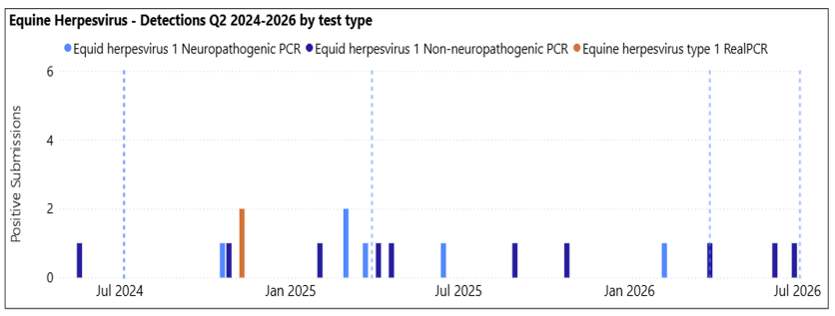
West Nile Virus: No cases this quarter •First wild bird case 2025: May 26th •First Equine case 2025: August 12th Eastern Equine Encephalitis virus: No cases this quarter • First case 2025: July 28th Equine Herpesvirus-1: There was 2 facilities affected this quarter.; Simcoe and Wellington Counties. Both infections were due to the wild-type strain
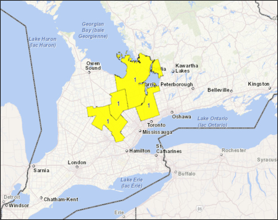
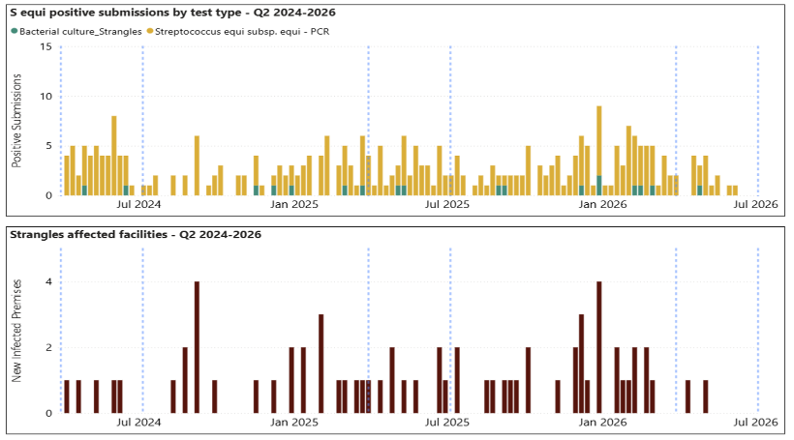
Strangles: During Q2, there were 2 new facilities managing Strangles. 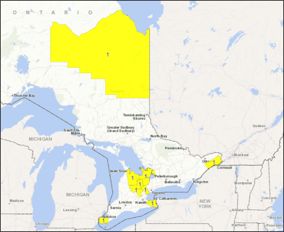
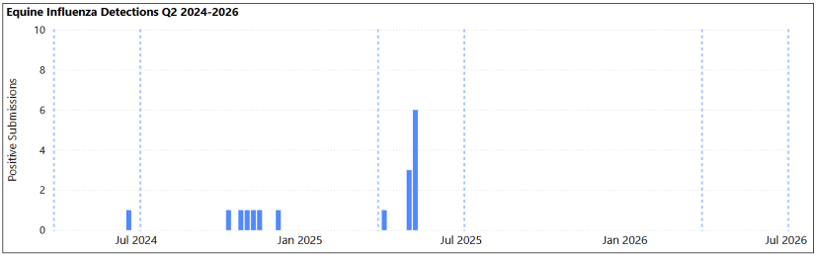
Equine Influenza: There were no facilities affected by influenza in Q2.
|
| Ontario
Equine Veterinary Community |
Survey – Key points
•19 Counties represented •58% equine, 8% mixed animal, 8% equine and food animal, 8% referral practice and 8% equine and small animal •27% of veterinarians reported working with performance/Competition/Show horses, 22% with pleasure/backyard horses, 22% with foals, breeding and young stock, 10% with draft horses, 10% with racehorses, 7% with mules/donkeys and 2% with buggy horses. •Increases in Q1 were noted for: •(adult): asthma, colitis responsive to oxytetracycline, EHM, CVM, horses late shedding in spring (not PPID), dermatitis, sweet itch, retained placenta, uterine infections (resistant bacteria), EMS, laminitis, Anaplasmosis, FUO, 2-year old racehorses with lameness, squamous cell carcinoma of oral cavity with invasion of sinus, mandible and muscle. •(foal): osteomyelitis of proximal sesamoid bones, septicemia, failure of passive transfer New conditions or those without a diagnosis: •Tyzzer’s disease causing acute death in a 1 month old foal that had neonatal isoerythrolysis at birth •I diagnosed a mare with heterochromic iridocyclitis (HIK) and this is the third case I’ve diagnosed in less than a year. All horses are from eastern Ontario/western Quebec. This is a surprisingly high prevalence of this disease, which is rare. Some researchers theorize that HIK is a post-viral condition. •In general we are seeing an overall increase in geriatric associated issues because horses are just living longer- colic, dental problems, PPID/EMS, laminitis, arthritis. Also, with new Canadians/cultures getting into farm ownership but lacking experiences, we are seeing more dog bite attacks on horses and uncastrated pet horses, with obvious safety concerns for the people involved and visiting veterinarians. We are finding the client education piece challenging in these situations. |
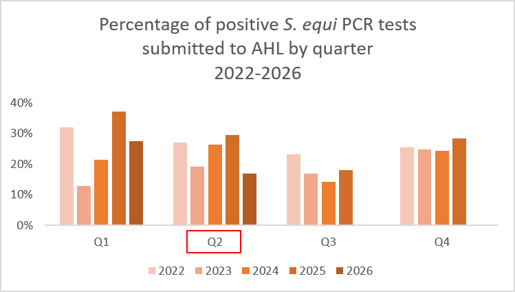
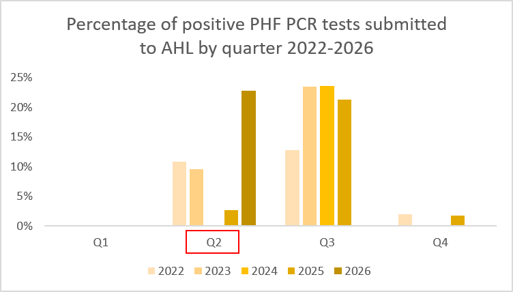
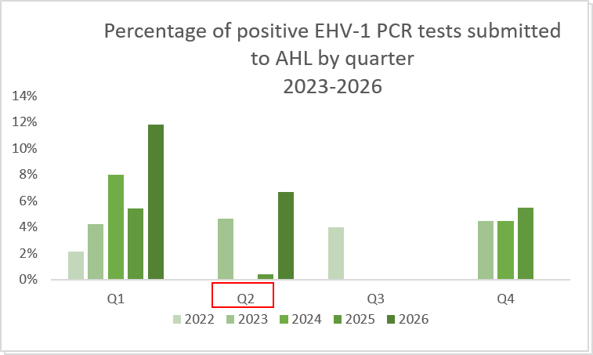
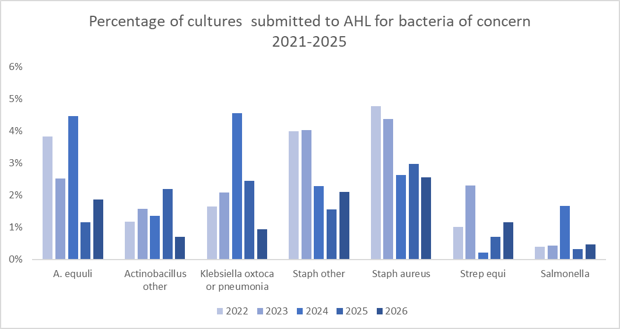
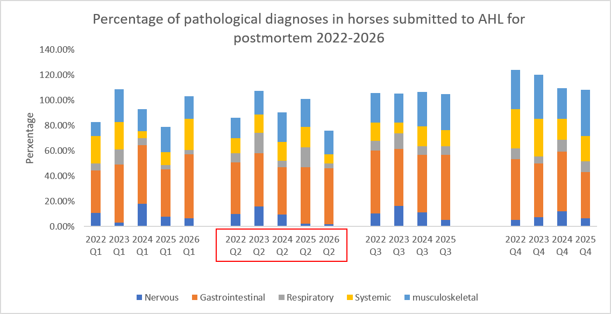
Syndromic and AHL Laboratory Data Surveillance
Equine Research from Ontario and Around the World
Researchers in Ontario
Prevalence of Clostridioides difficile in hospitalized neonatal mare-foal pairs from Alberta and direct comparison of fecal culture with toxin gene detection. Whitehead AE, Borges AS, Zakia LS, Yu S, Surette MG, Arroyo LG.Can J Vet Res. 2026 Jul 1;90(3):111-117. eCollection 2026 Jul.PMID: 42460136 Free PMC article.
Serum Electrolyte Changes in Foals Receiving Rhodococcus equi-Specific Hyperimmune Plasma. Larriva DS, Arroyo LG, Lillie BN, Sanz MG.J Vet Emerg Crit Care (San Antonio). 2026 Jul 14. doi: 10.1111/vec.70131. Online ahead of print.
Validation of a smart textile electrocardiographic monitoring device in racehorses during high-speed exercise. Kapusniak A, Hitchens PL, Bailey S, McCrae P, Nath L, Franklin S.Equine Vet J. 2026 Jun 25. doi: 10.1002/evj.70205. Online ahead of print.
Infection by Strongylus edentatus and Strongylus vulgaris in a warmblood crossbred foal in Ontario. Trokoz A, Sjolin E, Lejeune M, Peregrine AS, Borkowski E.Can Vet J. 2026 Jun 1;67(6):663-669. eCollection 2026 Jun.
Effect of N-acetyl cysteine treatment on uterine cytokine and chemokine profiles in mares with persistent breeding-induced endometritis. Khan FA, Caissie MD, Wagner B, Scholtz EL, Chenier TS.J Equine Vet Sci. 2026 May 27;165:106033. doi: 10.1016/j.jevs.2026.106033. Online ahead of print.
Thoracic electrical impedance tomography using a two-plane electrode configuration in horses. Studer N, Byrne D, Raisis A, Adler A, Cheong J, Secombe C, Schramel JP, Mosing M.Equine Vet J. 2026 May 28. doi: 10.1002/evj.70188. Online ahead of print.
Verminous mastitis caused by Cephalobus cubaensis infection in a mare. Barrantes Murillo DF, Smith RC, Wahl E, Gagliardi R, Croce A, Peregrine AS, Moorhead AR, Duncan KT.J Vet Diagn Invest. 2026 May 19:10406387261445943. doi: 10.1177/10406387261445943. Online ahead of print.
Mosquito feeding patterns in the context of West Nile and eastern equine encephalitis viruses in eastern Ontario, Canada. Stephens CRA, Forbes MR, Wilson S, Ludwig A, Lapen DR, Mitchell GW.Med Vet Entomol. 2026 May 14. doi: 10.1111/mve.70077. Online ahead of print.
Retrospective assessment of equine herpesvirus type 1 (EHV-1) genotype-associated clinical disease in Ontario. Espinosa MA, Lack A, Kenney D, Arroyo LG.Can Vet J. 2026 May 1;67(5):499-503. eCollection 2026 May.
Klossiella equi, an underreported parasite of equids in the Americas. Zeldenrust EG, Carlton K, Jenkins EJ, Moré G, Nielsen MK, Pearl DL, Schott CR, Terier SM, Barta JR.Vet Parasitol. 2026 Jul;345:110781. doi: 10.1016/j.vetpar.2026.110781. Epub 2026 Apr 17.PMID: 42019117 Free article.
Toll-like receptor 3-activated allogeneic umbilical cord blood-derived mesenchymal stromal cells as an adjunct for the treatment of synovial sepsis in 3 horses. Barton CK, Koch TG, Russell KA, Moorhead R, Mehrpouyan S, Alizadeh AH, Dow S, Pezzanite LM, Goodrich LR.J Am Vet Med Assoc. 2026 Apr 17:1-9. doi: 10.2460/javma.25.12.0821. Online ahead of print.
Researchers around the world
Antimicrobial use / resistance
Antibacterial use in Norwegian horses: a nationwide registry-based cross-sectional study. Löfling LL, Haadem CS, Reiersen A, Börjesson S, Helgesen KO.BMC Vet Res. 2026 Apr 16;22(1):282. doi: 10.1186/s12917-026-05474-z.PMID: 41992291 Free PMC article.
Horse racing towards antibiotic resistance. Accompanying animals as a source of antibiotic-resistant bacteria. Lepianka A, Sitkiewicz I.J Appl Genet. 2026 Apr 29. doi: 10.1007/s13353-026-01053-y. Online ahead of print.
Clinical audit on antimicrobial stewardship effectiveness in reducing antimicrobial-resistant bacterial colonisation in hospitalised horses. Mazzola K, Lanci A, Piva S, Schisa V, Mariella J, Scarpellini R, Freccero F, De Carolis E, Tumietto F, Castagnetti C.Equine Vet J. 2026 May 12. doi: 10.1002/evj.70171. Online ahead of print.
Cardiology
Exercising electrocardiograms from Thoroughbred racehorses with exercise associated sudden death. Navas de Solis C, Durando M, Nath L, Durward-Akhurst S.Equine Vet J. 2026 Apr 21. doi: 10.1002/evj.70166. Online ahead of print.
Paroxysmal atrial fibrillation-like bursts in racehorses: do they affect speed and performance? A case control study. Ter Woort F, Dubois G, O’Connor S, van Erck-Westergren E.J Vet Intern Med. 2026 May 4;40(3):aalag095. doi: 10.1093/jvimsj/aalag095.PMID: 42172118 Free PMC article.
Comparative cardiac histopathology and toxicology screens in horses succumbing to exercise-associated sudden cardiac death and control horses. Diab SS, Giannitti F, Hill A, Morgan J, Blea JA, Arthur R, Poppenga R, Stover S, Uzal FA.J Vet Diagn Invest. 2026 Jun 4:10406387261451776. doi: 10.1177/10406387261451776. Online ahead of print.PMID: 42237699
Dentistry
Epidemiology of open and closed diastemata in equine cheek teeth and associations with periodontal pathology. Mata F, Johnson C.Vet Res Commun. 2026 Apr 23;50(4):280. doi: 10.1007/s11259-026-11216-1.PMID: 42024214 Free PMC article.
Dermatology
Oclacitinib for Controlling Pruritus and Associated Skin Lesions in 16 Horses With Allergic Dermatitis. Tunhikorn M, Maneephan P, Tovanakasame N, Kampang C, Jandee P, Sangsuriya P, Nuchprayoon N.Vet Dermatol. 2026 May 31. doi: 10.1111/vde.70091. Online ahead of print.
Endocrine
Adrenocorticotropic Hormone and Thyroxine Concentrations in Young Healthy Equids: Species Differences and Seasonal Variations. Siwińska N, Żak-Bochenek A, Jawor P, Pietrzak A, Kutermak O, Słowikowska-Łoś M, Kaczmarek B.Animals (Basel). 2026 Apr 7;16(7):1124. doi: 10.3390/ani16071124.PMID: 41976103 Free PMC article.
Evaluation of the tolerance and effects of 1-deoxynojirimycin on insulin and glucose dynamics in healthy horses and horses at risk for insulin dysregulation. Whitfield-Cargile C, Coleman M, Hart K, Gomes D, Berghaus L, Duberstein KJ, Ellis K, Tinkle A, Shirzad R.J Vet Intern Med. 2026 Mar 2;40(2):aalag074. doi: 10.1093/jvimsj/aalag074.PMID: 42008488 Free PMC article.
Integrating clinical and rna-seq findings in a mare with recurrent endocrinopathic laminitis linked to equine metabolic syndrome. Isgrigg J, Marchio S, Brown H, Norton P, Boakari YL, Macon E.J Equine Vet Sci. 2026 Aug;163:105906. doi: 10.1016/j.jevs.2026.105906. Epub 2026 Apr 22.
Ertugliflozin decreases the insulin spike in non-insulin dysregulated standardbred horses following intra-articular triamcinolone administration. Darch C, Hyndman TH, Byrne D, Rendle DI, Fraser B.Domest Anim Endocrinol. 2026 Jul;96:107016. doi: 10.1016/j.domaniend.2026.107016. Epub 2026 Apr 26.PMID: 42056832 Free article.
Beyond cortisol: evaluating serotonin, brain-derived neurotrophic factor, and oxytocin as indicators of equine welfare across three training regimens. Kacprzyk M, Tobolski D, Kiełbik P, Grzędzicka-Agko J, Milczek-Haduch D, Stefanik E, Dąbrowska I, Pawliński B, Gołębiewski M, Witkowska-Piłaszewicz O.BMC Vet Res. 2026 Apr 30;22(1):355. doi: 10.1186/s12917-026-05507-7.PMID: 42063145 Free PMC article.
Evaluating hormonal levels in plasma and saliva as temperament indicators in horses. Choi Y, Jung Y, Wickens CL, Park Y, Yoon M.Sci Rep. 2026 May 12;16(1):21591. doi: 10.1038/s41598-026-51061-5.PMID: 42120897 Free PMC article.
Pharmacokinetics of Ertugliflozin, a Sodium-Glucose Co-Transporter-2 Inhibitor (SGLT2i) in Horses After Enteral Administration. Kirkwood NC, Hughes KJ, Lovett AL, Doran GS, Rendle DI, Edwards SH.Vet Sci. 2026 May 1;13(5):445. doi: 10.3390/vetsci13050445.PMID: 42188915 Free PMC article.
The incidence of fatal and non-fatal injury in thoroughbred and Quarter Horse racehorses in Louisiana (2014-2022). Dirikolu L, Liu CC, Schaeffer DJ.Res Vet Sci. 2026 Aug;207:106219. doi: 10.1016/j.rvsc.2026.106219. Epub 2026 Apr 27.
Paroxysmal atrial fibrillation-like bursts in racehorses: do they affect speed and performance? A case control study. Ter Woort F, Dubois G, O’Connor S, van Erck-Westergren E.J Vet Intern Med. 2026 May 4;40(3):aalag095. doi: 10.1093/jvimsj/aalag095.PMID: 42172118 Free PMC article.
Composition of allogeneic equine orthobiologics and their repeated intra-articular administrations. Van Reusel Y, Broeckx SY, Carolo A, Patruno M, Steenbrugge J, Saunders J, Gugliandolo E, Spaas JH.Equine Vet J. 2026 May 24. doi: 10.1002/evj.70196. Online ahead of print.
Race and Final-600 m Speed Response to Distance and Track Condition in Thoroughbred Flat Racing. Legg KA, Gibson MJ, Rogers CW.Animals (Basel). 2026 May 8;16(10):1433. doi: 10.3390/ani16101433.PMID: 42193723 Free PMC article.
Pathology of sudden death in racehorses: a review. Uzal FA, Asin J, Diab S, Henderson E, Engiles JB, Kennedy L, Schild C.J Vet Diagn Invest. 2026 May 30:10406387261446570. doi: 10.1177/10406387261446570. Online ahead of print.PMID: 42216684 Free PMC article.
Comparative cardiac histopathology and toxicology screens in horses succumbing to exercise-associated sudden cardiac death and control horses. Diab SS, Giannitti F, Hill A, Morgan J, Blea JA, Arthur R, Poppenga R, Stover S, Uzal FA.J Vet Diagn Invest. 2026 Jun 4:10406387261451776. doi: 10.1177/10406387261451776. Online ahead of print.PMID: 42237699
Impact of ununited plantar eminence of the first phalanx on early racing performance in North American Standardbreds. Graczyk Z, Kapraun P, McCoy AM.Vet Surg. 2026 Jun 10. doi: 10.1111/vsu.70121. Online ahead of print.
Infectious Disease
Glanders: Past, Present and Future of a Neglected Zoonosis as a Threat in Veterinary and Human Health. Kanani Y, Oryan A, Derakhshandeh A.Vet Med Sci. 2026 May;12(3):e70950. doi: 10.1002/vms3.70950.PMID: 42012985 Free PMC article. Review.
Stomoxys calcitrans as a potential mechanical vector of Anaplasma phagocytophilum: assessment through original ex vivo feeding models. Rouxel C, Weis-Servat G, Liénard E, Sharif S, Lagrée AC, Deshuillers PL, Boulouis HJ, Haddad N, Bouhsira E.Parasite. 2026;33:25. doi: 10.1051/parasite/2026021. Epub 2026 Apr 22.PMID: 42023753 Free PMC article.
The prevalence of Streptococcus equi subsp. equi carriers in the Netherlands. Houben RMAC, Broens EM, Broekhuizen-Stins MJ, Sloet van Oldruitenborgh-Oosterbaan MM, van Maanen C, Heesterbeek JAP.Equine Vet J. 2026 Apr 26. doi: 10.1002/evj.70177. Online ahead of print.
Global multi-host genomic epidemiology of Acinetobacter baumannii reveals transmission at one health interfaces. Aguilar-Vera A, López-Sánchez R, Hernández-Alvarez AJ, Vargas-Peralta D, Peralta H, Castillo-Ramírez S.Nat Commun. 2026 Apr 28;17(1):5832. doi: 10.1038/s41467-026-72585-4.PMID: 42049772 Free PMC article.
An epizootic of equine viral arteritis at a Thoroughbred racetrack in Illinois: 223 cases. Foreman JH, Scollay MC.J Vet Diagn Invest. 2026 May 21:10406387261445082. doi: 10.1177/10406387261445082. Online ahead of print.
Miscellaneous
Horse Hoof Trimmings as an Untapped Resource for Sustainable Keratin Utilization. Trigueros E, Mattiello S, Magnaghi LR, Santulli C, Biesuz R.ChemistryOpen. 2026 Apr;15(4):e202500575. doi: 10.1002/open.202500575.PMID: 41979059 Free PMC article. Review.
Influence of housing and fecal egg count on cytokine profiles (IL-4 and IL-13) in equines. Yalavarthi G, Sabbinen H, Kosuri P, Amalaradjou M, Govoni K, Nadeau J.J Equine Vet Sci. 2026 Aug;163:105922. doi: 10.1016/j.jevs.2026.105922. Epub 2026 May 1.
The effect of form on equine salt intake. Murphy B, Catalano DN.J Equine Vet Sci. 2026 Aug;163:105923. doi: 10.1016/j.jevs.2026.105923. Epub 2026 May 2.
The Effects of Boron Mineral on Performance, Bone and Mineral Metabolism in Purebred Arabian Foals. Yilmaz İÇ, Güler T, Ekmen EG, Özçelik M.Biol Trace Elem Res. 2026 May 6. doi: 10.1007/s12011-026-05138-x. Online ahead of print.
Microbial biosynthesis of vitamin D2. Fraser DR, Mason RS.Proc Nutr Soc. 2026 May 18:1-21. doi: 10.1017/S0029665126103073. Online ahead of print.PMID: 42144927 Review.
Case Report: Suspected Equine Perimortem and Postmortem Scavenging of Human Remains. Chang AM, Johnson NK.Am J Forensic Med Pathol. 2026 May 20. doi: 10.1097/PAF.0000000000001141. Online ahead of print.
Owner-Reported Cohort Study of Causes, Management and Outcome of Traumatic Wounds in 219 Horses. Birnie R, Hannelly E, Dubuc J, Burrell K, England GCW, Burford JH, Freeman SL.Animals (Basel). 2026 May 11;16(10):1474. doi: 10.3390/ani16101474.PMID: 42193764 Free PMC article.
Plasma and urinary exposure of cannabidiol and cannabidiolic acid in horses following consumption of contaminated feed. Ekstrand C, Michanek P, Hernlund E, Gehring R, Salomonsson M.Ir Vet J. 2026 Jun 4;79(1):30. doi: 10.1186/s13620-026-00350-6.PMID: 42243895 Free PMC article.
Neurology
Case Report: Neurologic signs following rattlesnake envenomation. Weintraub L, Fielding CL, Bouton J, Rhodes D.Front Vet Sci. 2026 Apr 7;13:1756610. doi: 10.3389/fvets.2026.1756610. eCollection 2026.PMID: 42022393 Free PMC article.
Persistence of Sarcocystis neurona and histopathology in horses with equine protozoal myeloencephalitis. Helber L, Wagner B, Leeth CM, LeRoith T, Cecere TE, Lahmers KK, Andrews FM, Hay AN, Werre SR, Johnson AL, Clark CK, Pusterla N, Reed SM, Lindsay DS, Taylor SD, Estell KE, Furr M, Mackay RJ, Del Piero F, Carossino M, Pandaleon K, Weatherford S, Ramirez-Barrios R, Zimmerman K, Witonsky SG.Front Vet Sci. 2026 Apr 15;13:1787994. doi: 10.3389/fvets.2026.1787994. eCollection 2026.PMID: 42063422 Free PMC article
Diagnosis and Surveillance of West Nile Virus Infection in Horses: Current Methods, Challenges, and Future Directions. Nistor P, Stanga L, Iorgoni V, Gligor A, Ciresan A, Iorgoni H, Florea B, Cocioba V, Iancu I, Maris CH, Nowicka B, Herman V.Vet Sci. 2026 Mar 30;13(4):332. doi: 10.3390/vetsci13040332.PMID: 42076705 Free PMC article. Review.
Eastern equine encephalitis-104 horses (1979-2017). Gomez DE, Suarez G, de Tonnerre DJ, Mallicote MF, Hernadez JA, Sanchez LC, Mackay RJ.J Vet Intern Med. 2026 May 4;40(3):aalag087. doi: 10.1093/jvimsj/aalag087.PMID: 42132354 Free PMC article
Mosquito feeding patterns in the context of West Nile and eastern equine encephalitis viruses in eastern Ontario, Canada. Stephens CRA, Forbes MR, Wilson S, Ludwig A, Lapen DR, Mitchell GW.Med Vet Entomol. 2026 May 14. doi: 10.1111/mve.70077. Online ahead of print.PMID: 42135883
Pharmacokinetics of Diclazuril in the Plasma and Cerebrospinal Fluid of Healthy Adult Horses After a Single Oral Dose Administered as a Pelleted Topdressing. Treece EJ, Hepworth-Warren KL, Papich MG, van Harreveld PD, Blikslager AT, Church FE, Harbor KB, Erwin-Craig SJ.J Vet Pharmacol Ther. 2026 May 16. doi: 10.1111/jvp.70086. Online ahead of print.
Ophthalmology
Investigating the effect of surface cryotherapy on equine patient compliance to infraorbital nerve block placement. Mart S, Flynn H, Barter LS, Pypendop BH, Kilcoyne I, Nelligan K, Fernandez-Barrientos M, Pusterla N.Vet Anaesth Analg. 2026 May-Jun;53(3):101216. doi: 10.1016/j.vaa.2026.101216. Epub 2026 Feb 26.PMID: 41996948 Free article. Clinical Trial.
Owner satisfaction and animal welfare after bilateral enucleation in horses. Gasco J, Sauvage A, Monclin SJ, Narinx F.Equine Vet J. 2026 May 21. doi: 10.1002/evj.70190. Online ahead of print.
Orthopedics
Deep digital flexor tenotomy provides pain relief and clinical comfort in horses with chronic laminitis. Orsini JA, Stefanovski D.J Am Vet Med Assoc. 2026 Apr 15:1-6. doi: 10.2460/javma.25.12.0839. Online ahead of print.
Presurgical acetone and chlorhexidine aseptic preparation of the equine hoof lowers bacterial counts below surgically acceptable threshold. Gonzalez GA, O’Shea CM, Nabors B, Eldridge J, Wills R, Stilwell N.J Am Vet Med Assoc. 2026 Apr 15:1-8. doi: 10.2460/javma.25.12.0822. Online ahead of print.
Review of articular cartilage repair techniques and their application in the horse. Barton CK, Nelson BB, Goodrich LR.Equine Vet J. 2026 Apr 28. doi: 10.1002/evj.70162. Online ahead of print.
Reproduction
Impact of pituitary pars intermedia dysfunction on inflammation within the equine reproductive tract of the mare. Howard J, Hamner I, Crook RA, Elliott C, Carnevale E, Coleman SJ, Klinglesmith BA, McCue PM, Sones JL, Fedorka CE.Front Vet Sci. 2026 Mar 26;13:1758501. doi: 10.3389/fvets.2026.1758501. eCollection 2026.PMID: 41971030 Free PMC article.
In broodmares undergoing artificial insemination is intrauterine fluid development more likely with frozen semen or chilled semen? Saifullah RB, Burke MK.Vet Evid. 2025 Dec 4;10(4):vetevid-10-4-728. doi: 10.18849/ve.v10i4.728. eCollection 2025 Oct-Dec.PMID: 42006394 Free PMC article. Review.
Age, embryo donor status, and insemination with chilled semen all predispose to persistent breeding-induced endometritis in warmblood mares. Stout T, Serrarens R, Leemans B, Claes A.Equine Vet J. 2026 Apr 24. doi: 10.1002/evj.70175. Online ahead of print.
The Equine Reproductive Microbiota: Composition, Dynamics, Dysbiosis, and Implications for Fertility in Mares and Stallions. Pelenė U, Šiukščius A, Nainienė R, Merkelytė I, Šveistienė R.Animals (Basel). 2026 May 5;16(9):1414. doi: 10.3390/ani16091414.PMID: 42121833 Free PMC article.
Growth kinetics of Taylorella equigenitalis and its survival in straw-based bedding. Florianova M, Krzyzankova M, Korena K, Juricova H.Vet Res Commun. 2026 May 19;50(4):331. doi: 10.1007/s11259-026-11278-1.PMID: 42154103 Free PMC article.
Retained fetal membranes in light breed mares hospitalized for attended parturition. Fischetti L, Perina F, Mariella J, Castagnetti C, Lanci A.J Equine Vet Sci. 2026 May 27;165:105946. doi: 10.1016/j.jevs.2026.105946. Online ahead of print.
Respiratory medicine
Oral docosahexaenoic acid supplementation alters alveolar macrophage metabolism and protein and lipid profiles in the lower airway of healthy horses. Cooper BL, O’Donnell K, Hickman E, Bayless R, Sheats MK.Am J Vet Res. 2026 May 4:1-9. doi: 10.2460/ajvr.26.01.0001. Online ahead of print.PMID: 42081923 Free article.
Bronchoalveolar lavage changes the ultrasonographic and radiographic appearances of lungs in adult horses. Hepworth-Warren KL, Harbor K, Nelson NC, Kurihara M, Qu Y.J Am Vet Med Assoc. 2026 May 20:1-8. doi: 10.2460/javma.26.03.0161. Online ahead of print.
The effect of romifidine on endoscopic grading of laryngeal function in horses. Murphy C, Baglioni M, Lepage OM, Schumacher J, Kelleher L, Burke J, Gangl M.Vet Rec. 2026 Jul 25;199(2):e82-e86. doi: 10.1002/vetr.70804. Epub 2026 May 22.PMID: 42170716 Free PMC article.
Rare Models: Use of a Novel Translational Model for Diffuse Alveolar Haemorrhage. Chadda KR, Sathivelu S, Armstrong SK, Edling C, Jeevaratnam K.Int J Mol Sci. 2026 May 7;27(10):4157. doi: 10.3390/ijms27104157.PMID: 42196142 Free PMC article. Review.
Neutrophilic asthma: advances in experimental models from pathogenesis to therapeutic translation. Yao J, Lu J, Gao J, Liao X, Wu D, Wang M, Li Q, Gao W.Mol Med. 2026 Jun 1. doi: 10.1186/s10020-026-01507-3. Online ahead of print.PMID: 42219455 Free article.
Airborne dust and microorganisms from hay produced on intensively and extensively managed grasslands in Switzerland. Kocher J, Mossu C, Wandel J, Kaim G, Reidy B, Herholz C.Vet Anim Sci. 2026 May 20;33:100706. doi: 10.1016/j.vas.2026.100706. eCollection 2026 Sep.PMID: 42232726 Free PMC article.
Radiographic identification and description of the equine middle conchal sinus (ethmoidal sinus): Implications for diagnosing middle conchal sinusitis. Pavard JB, Young A, Robert M, Verwilghen D.Equine Vet J. 2026 Jun 8. doi: 10.1002/evj.70198. Online ahead of print.
Air pollution exceedances routinely occur at Thoroughbred racetracks in the contiguous United States. Scott D, Kreitner K, Kim L, Seabaugh K, Duncan C, Magzamen S.Am J Vet Res. 2026 Mar 20:1-10. doi: 10.2460/ajvr.26.01.0003. Online ahead of print.PMID: 41861470 Free article.
Tracheal wash culture is not associated with bronchial infection, remodelling or inflammation in horses with asthma.Leduc L, St-Jean G, Lavoie JP.Equine Vet J. 2026 Mar 17. doi: 10.1002/evj.70157. Online ahead of print.
Sports medicine
Post exercise hydration responses to an electrolyte, glycerol, and creatine supplement in horses: a preliminary study. Peterson R, Dietrich J.BMC Vet Res. 2026 Apr 20;22(1):324. doi: 10.1186/s12917-026-05493-w.PMID: 42010598 Free PMC article.
Progressive structural and functional change in horses: a conceptual framework for systemic equine (patho-)physiology. Diehl M, Bader K.Front Vet Sci. 2026 Apr 7;13:1767386. doi: 10.3389/fvets.2026.1767386. eCollection 2026.PMID: 42022396 Free PMC article.
Effects of shoeing on forelimb biomechanics in walking horses. Wang JY, Guan S, Walmsley E, Wells D, Pandy MG, Whitton C.Equine Vet J. 2026 Apr 26. doi: 10.1002/evj.70182. Online ahead of print.
Clodronate disodium reduced TRAP5b independent of affecting other systemic biomarkers of bone resorption or formation in yearling, exercising quarter horses. Paris BL, Leatherwood JL, Arnold CE, Glass KG, Conrad MB, George JM, Martinez RE, Colbath AC, Nielsen BD, Welsh TH Jr, Bradbery AN.J Anim Sci. 2026 Jan 8;104:skag135. doi: 10.1093/jas/skag135.
The immediate effect of whole-body vibration therapy on mechanical nociceptive thresholds in horses with thoracolumbar pain. Giancola SC, Ellis KL.J Equine Vet Sci. 2026 Aug;163:105919. doi: 10.1016/j.jevs.2026.105919. Epub 2026 Apr 30.
Efficacy of an Oral Chondroprotective Joint Supplement on Stride Length and Gait Symmetry in Aged Geldings with Chronic Lameness. Harbowy RM, Robison CI, Tillman I, Manfredi JM, Nielsen BD.Animals (Basel). 2026 Apr 17;16(8):1230. doi: 10.3390/ani16081230.PMID: 42071996 Free PMC article.
Audio-Based Characterization of Gait Parameters in Mangalarga Marchador, Campolina, and Piquira Horses Using Deep Learning. Freire A, Silva AVD, Patterson Rosa L, Guimarães PHS, Araujo BPG, Silva CAF, Borges LRT, Bertechini AG, Meirelles SLC.Animals (Basel). 2026 Apr 22;16(9):1283. doi: 10.3390/ani16091283.PMID: 42121703 Free PMC article.
Measuring Chuckwagon Racehorse Movement Asymmetry Before and After Racing Using Wearable GNSS-IMUs: A Preliminary Study. Eamon CM, van den Broek M, Garcia-Alamo K, De Bruyne C, Davis BL, Fallscheer M, Frostad S, Pajor E, Skotarek Loch S, Weller R, Chan ZYS, Pfau T.Animals (Basel). 2026 Apr 29;16(9):1361. doi: 10.3390/ani16091361.PMID: 42121780 Free PMC article.
Clinical and Biochemical Effects of Intra-Articular Autologous Conditioned Serum and Triamcinolone in an Equine Model of Synovitis. Alvarez AV, Wooldridge A, Caldwell F, Zetterström S, Menarim BC, Towns TJ, Graff EC, Boone L.Animals (Basel). 2026 Apr 29;16(9):1371. doi: 10.3390/ani16091371.PMID: 42121792 Free PMC article.
Comparison Between Inertial Sensor and Video-Based Detection of Spatiotemporal Limb Movement Parameters During Equine Swimming. Marin F, Giraudet C, Gaulmin P, Moiroud C, De Azevedo E, Hatrisse C, Ben Mansour K, Martin P, Audigie F, Chateau H.Sensors (Basel). 2026 Apr 28;26(9):2743. doi: 10.3390/s26092743.PMID: 42122465 Free PMC article.
Size of the C7-T1 articular processes is overestimated on lateral radiographs when compared to standing cone beam computed tomography. Cianci JM, Bills KW, Skelton G, Stewart HL, Johnson AL, Colmer SF, Stefanovski D, Brown KA.Equine Vet J. 2026 May 13. doi: 10.1002/evj.70184. Online ahead of print.
Effects of acupuncture on stride, speed, and heart rate variability in Thoroughbred racehorses. Hartwigsen R, Grant CC, Botha T, van Vollenhoven E.J S Afr Vet Assoc. 2026 Apr;97(1):36-44. doi: 10.36303/JSAVA.724.
The effect of dynamic mobilization exercises and therapeutic trunk exercises on superficial epaxial and hypaxial muscle activity in horses. Harrison LM, St George LB, Goff LM, Nardese G, Barnes T, Ahern B, Sole-Guitart A.J Equine Vet Sci. 2026 Aug;163:105940. doi: 10.1016/j.jevs.2026.105940. Epub 2026 May 18.PMID: 42155912
Diagnostic and therapeutic methods in equine and canine rehabilitation. Reesink HL, Levine D, Marcellin-Little DJ.J Am Vet Med Assoc. 2026 Jun 1;264(S1):S3-S4. doi: 10.2460/javma.264.s1.s3.PMID: 42161301 Free article
Investigation of Metformin Contamination in Horses: Implications for Environmental Exposure and Doping Control. Jacobs ME, Blea J, Hardy M, McKemie DS, Traynham M, Knych HK.Drug Test Anal. 2026 Jul;18(7):945-950. doi: 10.1002/dta.70096. Epub 2026 May 21.PMID: 42165703 Free PMC article.
Edema and Structural Remodeling in Equine Suspensory Ligament Injury: A Severity Gradient Associated with Microvascular Dysfunction. Lazăr C, Vulpe V, Baisan AR, Pivariu D, Bora FD, Crecan CM.Animals (Basel). 2026 May 8;16(10):1432. doi: 10.3390/ani16101432.PMID: 42193724 Free PMC article.
A Comparison of the Performance of Horses from the International WBFSH Rankings in Dressage, Jumping and Eventing Based on Their Sex, Age, Proportion of Thoroughbred Genes and Affiliation to the Studbook. Sobotková E, Kuřitková D, Zeliszewska-Duk P, Mikule V.Animals (Basel). 2026 May 14;16(10):1509. doi: 10.3390/ani16101509.PMID: 42193800 Free PMC article.
Transcriptomic and Proteomic Analysis of the Skeletal Muscle Revealed the Effects and Mechanism of Mulberry Leaf Flavonoids on Alleviating Exercise-Induced Muscle Damage in Mongolian Horses. Geng A, Wang X, Li L, Cowie S, Bai D, Dugarjaviin M, Zhang X.Animals (Basel). 2026 May 18;16(10):1548. doi: 10.3390/ani16101548.PMID: 42193839 Free PMC article
Myofascial trigger points as a primary cause of equine lameness: a biomechanical, neurophysiological, and fascial review. Scheibenpflug M, Haussler KK.Front Vet Sci. 2026 May 20;13:1852775. doi: 10.3389/fvets.2026.1852775. eCollection 2026.PMID: 42245972 Free PMC article.
Ultrasound guidance aids in determining the success of equine temporomandibular joint arthrocentesis. Lopez DE, Carmalt JL.Front Vet Sci. 2026 May 20;13:1812140. doi: 10.3389/fvets.2026.1812140. eCollection 2026.PMID: 42245975 Free PMC article.
Aqua training promotes changes of skeletal muscle mass in show jumping horses. Nascimento C, Santos C, Walton M, Gonçalves T, Freire G, Nicolau M, Silvestre F, Simões J, Borges J, Pires N, Filho HM, Clayton H, Coelho C.J Equine Vet Sci. 2026 Jun 6;165:106051. doi: 10.1016/j.jevs.2026.106051. Online ahead of print.
Welfare
Priorities and Recommendations for Using Artificial Intelligence (AI) to Improve Equid Health and Welfare. Young PL, Hyde R, Douglas J, Freeman SL.Animals (Basel). 2026 Apr 1;16(7):1082. doi: 10.3390/ani16071082.PMID: 41976060 Free PMC article.
Influence of riders’ physical activity on improving seat balance in the context of horse welfare – A pilot study. Zeliszewska-Duk P, Skowerska-Wiśniewska A, Wilk I, Nowicka B, Duk M, Strzelec K.PLoS One. 2026 Apr 15;21(4):e0344969. doi: 10.1371/journal.pone.0344969. eCollection 2026.PMID: 41984767 Free PMC article.
Ethological and clinical evaluation of the welfare of horses in draft competitions in Spain. Alonso-de-la-Varga ME, Lomillos Pérez JM.Front Vet Sci. 2026 Apr 2;13:1720309. doi: 10.3389/fvets.2026.1720309. eCollection 2026.PMID: 42003943 Free PMC article.
Social enrichment mitigates facial expressions and physiological indicators of short-term stress in horses. Bini de Lima AC, Sebastião da Fé VC, Palermo Hernandes MS, Pfeifer de Cristo EC, Dos Santos Fagundes Euzébio AG, E Silva Sousa MV, Ribeiro Caldara F, Oliveira Dos Santos VM.PLoS One. 2026 Apr 20;21(4):e0347571. doi: 10.1371/journal.pone.0347571. eCollection 2026.PMID: 42008510 Free PMC article.
Evaluation of Short-Term Stall Size Housing on the Behavior and Welfare of Domestic Horses (Equus caballus). Outouil M, Daugherity EK, Warnick LD, Perry PJ.J Am Assoc Lab Anim Sci. 2026 Apr 1:1-10. doi: 10.30802/AALAS-JAALAS-25-152. Online ahead of print.PMID: 42014105
Opportunities for agency in domestic horses: Applying the behavioural domain to increase equine welfare. Goodale L.Anim Welf. 2026 Apr 7;35:e26. doi: 10.1017/awf.2026.10085. eCollection 2026.PMID: 42028318 Free PMC article.
Age-Associated Differences in Paddock Locomotor Activity Among Senior Horses: A Pilot Observational Study. Poinsard L, Anson C, Billat V.Animals (Basel). 2026 Apr 15;16(8):1208. doi: 10.3390/ani16081208.PMID: 42071974 Free PMC article.
Ontario equine disease surveillance summary
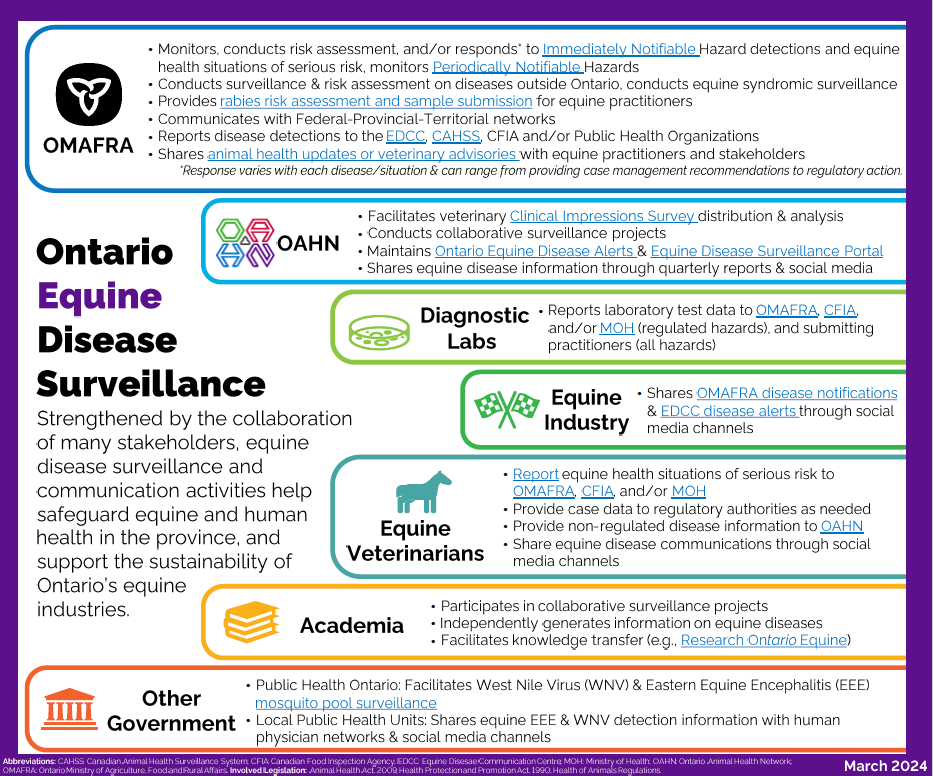
Equine disease surveillance in Ontario is a collaborative effort involving many public and private stakeholders. Diagnostic results generated by veterinary laboratories, clinical impression and case data provided by equine veterinarians, disease detections reported outside of Ontario by independent organizations, vector surveillance conducted by human health agencies, and research projects facilitated by Academic institutions or the Ontario Animal Health Network (OAHN), are all key sources of surveillance data. Strong communication between these stakeholders and with horse owners and caretakers supports both equine and human health in Ontario.
Please follow the links in the summary above for additional information on the associated activities or organizations and for many resources useful to equine industry members.
ResearchONequine.ca is a website developed by the Ontario Animal Health Network equine network to help increase research awareness and to connect researchers from academia, industry and government with the ultimate goal of improving the lives of all equines. It was supported by OAHN and the Ontario Association of Equine Practitioners.