
Equine Veterinary Report – Q1 2026
Ontario Animal Health Network (OAHN)
Equine Quarterly Veterinary Report
BITS ‘N SNIPS
Let your colleagues know about non-immediately notifiable disease outbreaks in your area!
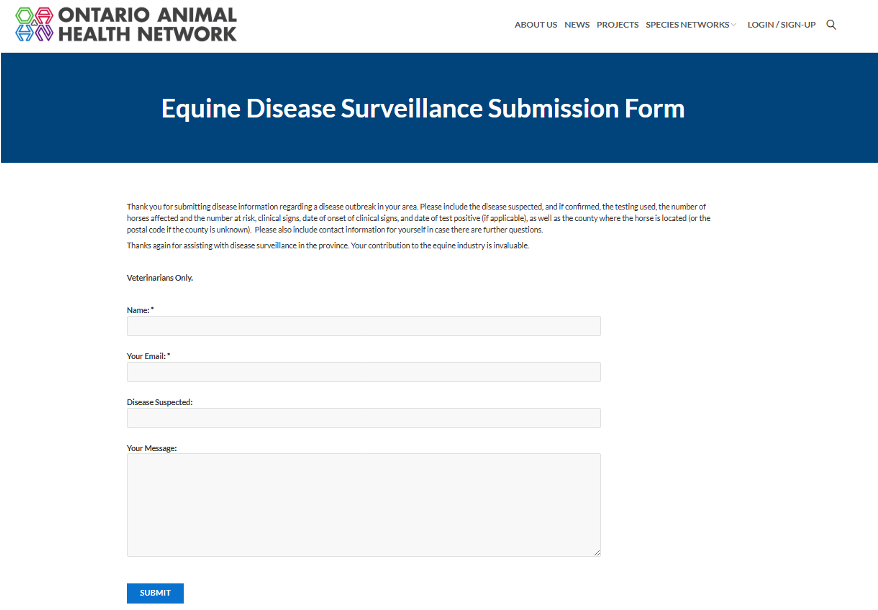
If you are managing an outbreak at a farm or facility, you can let veterinarians in the area know by filling in the OAHN disease surveillance submission form. OAHN can then post the anonymous information to the OAEP and OAHN listservs. Equine Disease Surveillance Submission Form – Ontario Animal Health Network
Network Member Reports
| Southwestern Ontario
(Melissa McKee) |
The late winter had an impact on horses in our area. We had an increase in coronavirus cases, some sporadic but we also had a major outbreak at a large facility. A few were hospitalized and strict on-site biosecurity helped reduce the spread once we identified the cause. Recently there’s been an increase in foot abscess cases which probably reflects the outdoor footing conditions, and the freeze-thaw creating very hard choppy ground, with more bruising leading to subsolar abscess formation. Harness racing also felt the effect of the long winter. Track conditions necessitated leaving increased traction on the shoes for longer than usual, resulting in more fetlock origin lameness issues. We were able to confirm some on MRI, after they blocked to the area and imaging was unremarkable. All of them had osseous fluid (bone bruising) in the palmar/plantar condyles and, to some degree, the sesamoids too. Lameness in some was quite dramatic even without any actual fracture. |
| Western Ontario
(Tara Foy) |
Pretty typical quarter. Some mares have had post-partum hemorrhage but the numbers aren’t likely more than normal. In foals, we have seen typical rotavirus diarrhea and some pneumonia cases. |
| Southern Ontario
(Jenna Donaldson) |
There were fewer abortions this quarter. We saw the typical dummy foals, umbilical infections and some diarrhea in later foals (likely due to more foalings in the stall and contamination). We also seem to have seen more congenital abnormalities and some of these foals required C- sections. One foal presented posteriorly with the hocks palpable as well as the front feet in the same location. One foal was born with an incomplete ossification of the frontal bone (hole in the head) and had no brain. |
| Eastern Ontario
(John Donavan) |
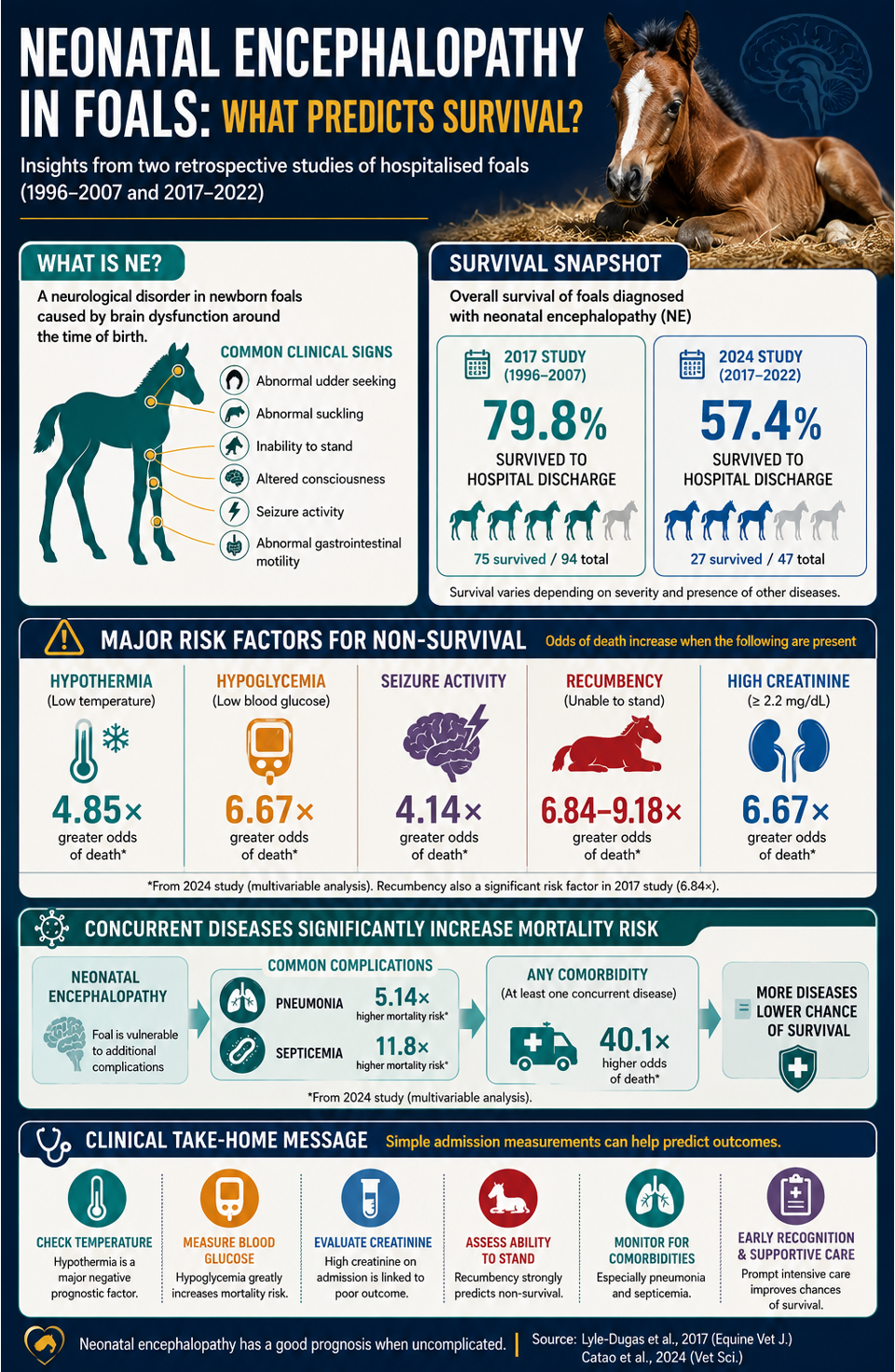
Q1 was a quiet quarter and pretty typical for the winter months. There were a few cases of colic (impactions) which resolved well. There was the occasional allergic airway horse/equine asthma due to the poor quality hay crop from last year, and a fair amount of skin disease due to prolonged blanketing. We had typical IR/laminitic ponies and older horses. There was a decrease in intensive care cases admitted to our hospital, as well not as many foals with infectious respiratory disease. We had a young morgan foal which had a normal, unassisted birth that developed into a dummy foal and was treated as such (Madigan squeeze). It responded well initially and was standing and nursing but relapsed and was admitted to the hospital where it developed seizures with increased liver enzymes. It is responding well to anti-convulsant medication. . |
| Ontario Veterinary College
(Memo Arroyo) |
We admitted a number of foals this quarter with many having diarrhea (many due to C. difficile and C. perfringens. We had a few colics, many were postpartum mares, and, not as many postpartum hemorrhages as in the past, A few C-sections had to be performed and we had some foals with weird congenital abnormalities. Of note, one foal had the most horrendous hydrocephalus. We drained 10 L from the head. Some other foals had severe contracture. |
| AHL Pathology
(Emily Ratsep) |
-TB fetus from a spontaneous abortion. Diagnosis: bacterial abortion due to Streptococcus zooepidemicus. Bacterial culture grew a moderate to abundant amount of Streptococcus equi subspecies zooepidemicus from the placenta as well as the fetal lung and stomach fluid. This agent has been associated with cases of fetal infection and abortion in horses, as well as the more typical presentation of respiratory disease.
-TB fetus delivered as a stillbirth. Diagnosis: abortion due to leptospirosis. The abortion was attributed to in-utero infection with Leptospira hardjo based on the very high fetal thoracic fluid MAT titer and the supportive histologic findings of funisitis, amnionitis and fetal pneumonia. Mares that abort due to Leptospira infection often show no other clinical signs of disease and will generally shed the bacteria in their urine for weeks to months after abortion, posing a risk both to other animals and to humans. PCR testing of urine from the mare can be done to detect shedding. -The mare of this fetus was euthanized a week after the abortion. She had developed pyrexia and ataxia progressing to recumbency. Diagnosis: idiopathic lymphohistiocytic and neutrophilic meningoencephalomyelitis. No etiologic agent identified. The clinical presentation and microscopic lesions seemed typical for herpesvirus infection, but PCR testing of brain did not detect EHV-1, and IHC on brain was negative for this agent as well. PCR testing did detect EHV-5, but an in-situ assay was performed at an external and did not detect this agent in brain or lung (or fetal tissues from the abortion. As such, a role for EHV-5 in the abortion and/or neurologic disease was not established, and its PCR detection may be incidental. PCR testing did not detect WNV or EEE, and rabies testing was negative. -14 yo miniature jenny was evaluated due to lethargy, dullness and tachycardia. Pleural fluid was visualized on ultrasound exam. A chest drain was placed and 6 to 7 L of pleural fluid obtained. The donkey failed to respond to treatment and was euthanized. Diagnosis: Liposarcoma. A diffuse and infiltrative neoplasm was observed in the heart and was most consistent with a liposarcoma.. Additionally, there is extensive cardiomyocyte necrosis adjacent to the neoplasm, which may have been exacerbated by altered vascular flow and myocardial ischemia. Congestive heart failure is still considered the most likely cause of the patient’s bicavitary effusion and acute decline. -15 yo standardbred pregnant mare was evaluated due to lethargy, weight loss, lack of appetite and recurrent fever. She had a severe increase of liver enzymes (AST, GLDH, GGT, bile acids, serum triglycerides) on admission and the plasma was severely lipemic. She was euthanized. Diagnosis: Hepatic lipidosis. Severe hepatic lipidosis was observed on histology. There was scattered hepatocellular necrosis and mild neutrophilic inflammation that was interpreted as secondary to hepatocellular injury associated with the lipid accumulation. Similar lipid accumulation was observed in the kidney. Previous research has reported that renal lipidosis is observed concurrently with hepatic lipidosis as part of systemic disease. -19 yo mixed pony gelding was evaluated following colic signs after guttural pouch treatment with penicillin gel for S. equi infection. He developed high fevers, no appetite and progressively watery manure which was positive for Salmonella on PCR. Colonic ultrasound examination showed generalized colonic wall edema. The pony was euthanized. Diagnosis: Severe enteric salmonellosis. The histopathological findings confirmed a severe necrotizing colitis with presence of intralesional bacteria. The 3+ growth of Salmonella spp. (Salmonella enterica serovar Typhimurium) from the large colon tissue, supported by the antemortem fecal PCR, confirms this as the primary infectious driver. While the 4+ growth of Escherichia coli is significant, it is interpreted in this context as a secondary opportunistic overgrowth or environmental contamination. However, the isolation of 1+ E. coli from the liver may reflect secondary systemic translocation from the gut to the liver due to a compromised intestinal barrier from salmonellosis. |
| OMAFA
(Bukunmi Odebunmi |
Immediately Notifiable Diseases: Case Reports to OMAFA
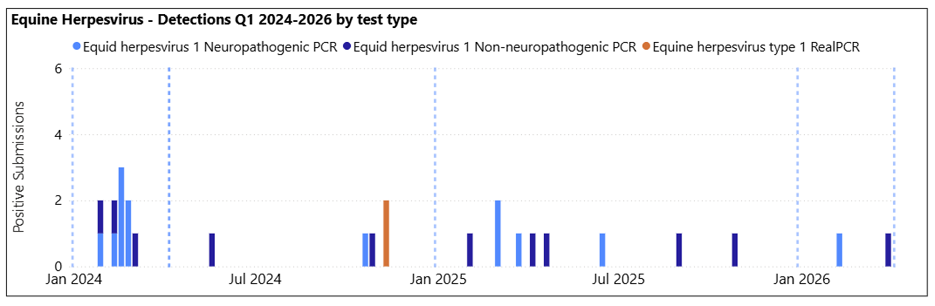
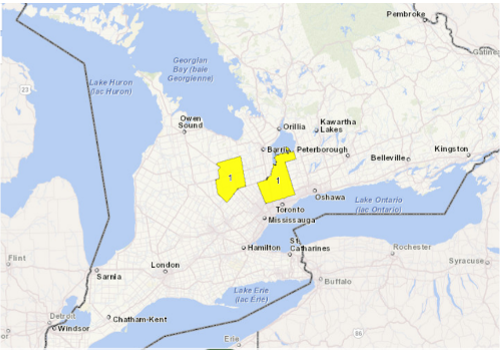
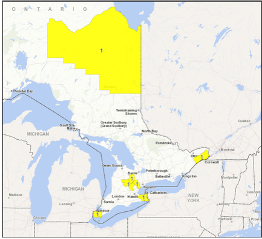
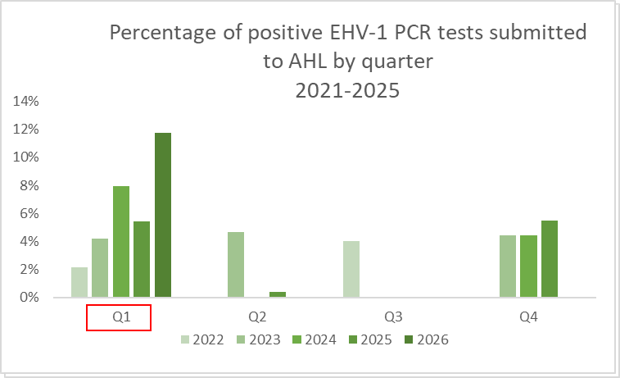
West Nile Virus: No cases this quarter •First wild bird case 2025: May 26th •First Equine case 2025: August 12th Eastern Equine Encephalitis virus: No cases this quarter •First case 2025: July 28th Equine Herpesvirus-1: There was 2 facilities affected by EHV-1 neurologic disease in Q1; York County (neuropathic strain), Dufferin County (wildtype strain)
Map of counties with facilities positive for EHV-1 (with EHM) in 2026 Available from: Equine Disease Tracking Network v 2.1 (arcgis.com)
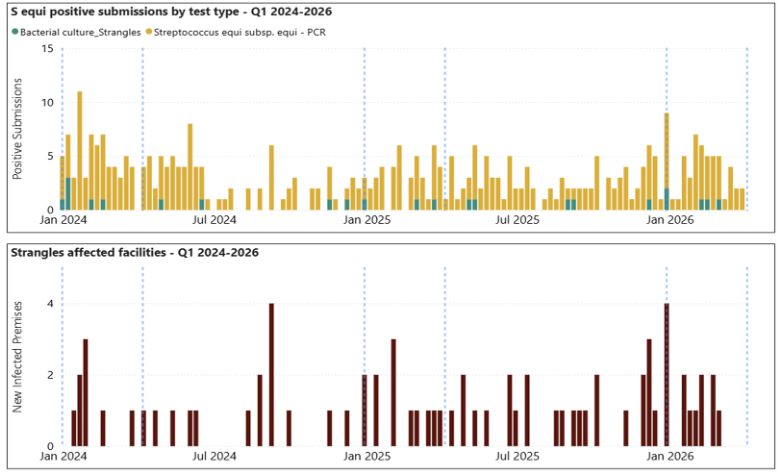
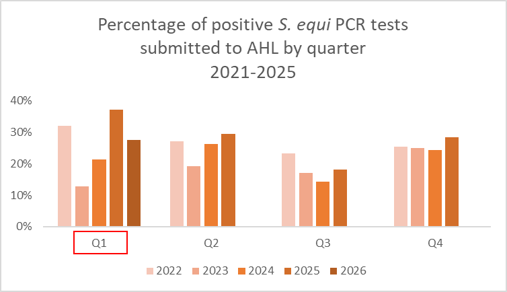
Strangles: During Q1, there were 10 new facilities managing Strangles.
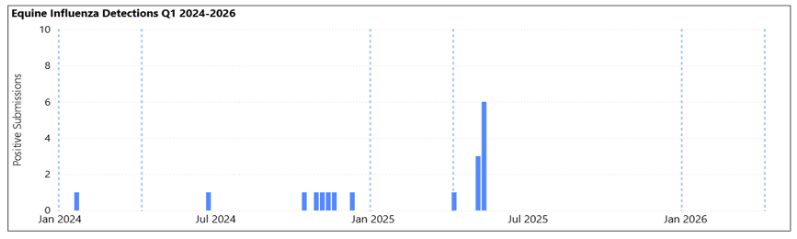
Equine Influenza: There were no facilities affected by influenza in Q1.
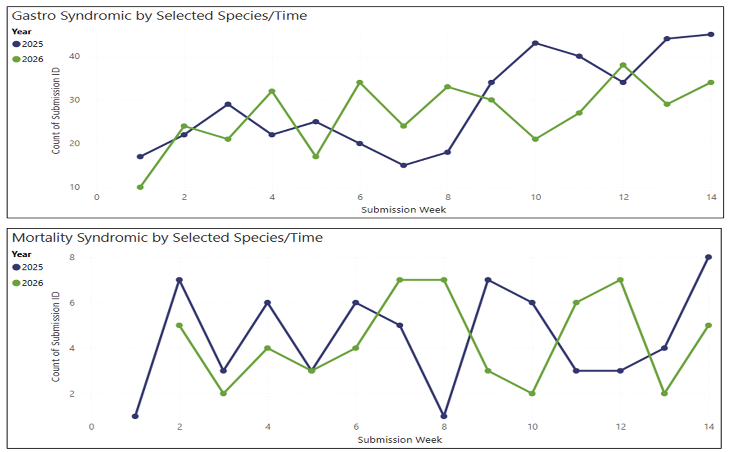
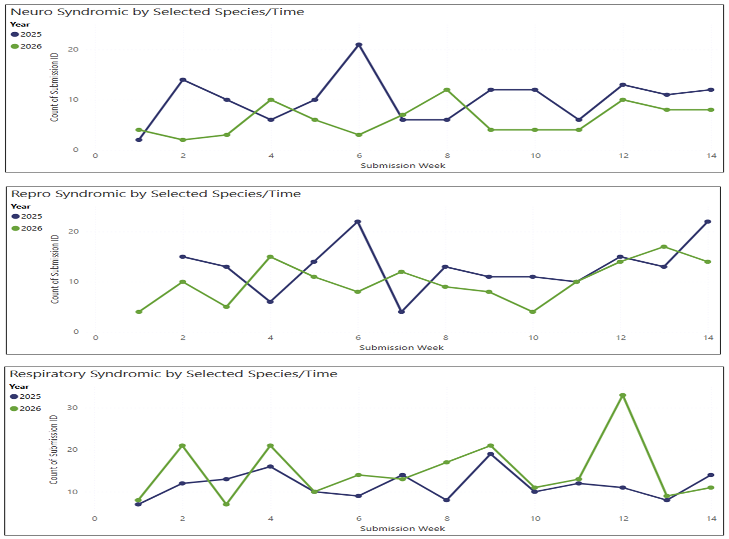
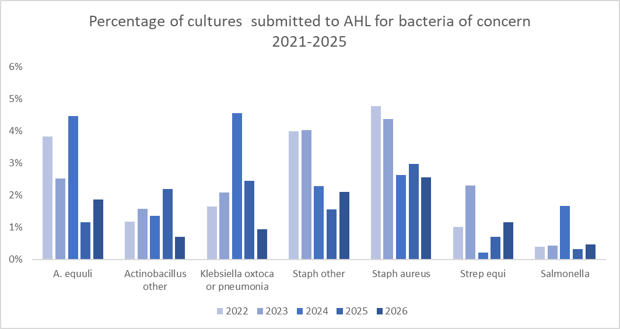
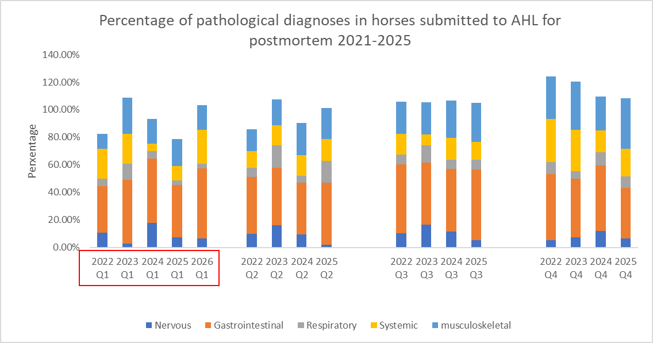
Q4 Equine Syndromic Surveillance: Graphs of disease syndromes based on samples sent for testing to the Animal Health Laboratory. This information is compiled based on the type of sample, test ordered, and key terms included in the submission history (if provided).
|
| Ontario
Equine Veterinary Community |
Survey – Key points
•23 Counties represented •61% equine, 13% mixed animal, 22% equine and food animal, 6% referral practice and 6% equine and small animal •21% of veterinarians reported working with performance/Competition/Show horses, 20% with pleasure/backyard horses, 18% with foals, breeding and young stock, 13% with mules/donkeys, 12% with draft horses, 10% with racehorses and 6% with buggy horses. •Increases in Q1 were noted for: •(adult): coronavirus, asthma, EHV-1 2/5, Strangles, colic (impaction, displacement), EHV-1 disease,, vitamin E neuropathies, mud fever, lice, PPID/EMS/IR, laminitis, anaplasmosis, thrush, vaccine reactions to multivalent vaccines, fetlock related lameness in racehorses •(foal): Strangles, failure of passive transfer, dystocia due to congenital malformations, NMS, OCD lesions New conditions or those without a diagnosis: •Horses presenting coronavirus with only mild transitory loose manure. Some of them with very high fevers. •Pemphigus suspect |
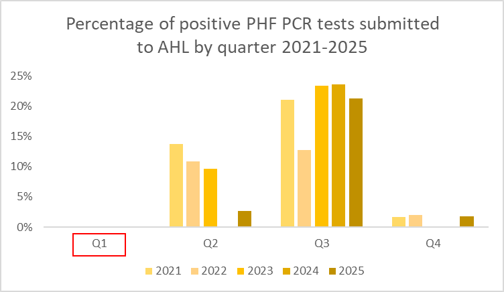
Syndromic and AHL Laboratory Data Surveillance
Equine Research from Ontario and Around the World
Researchers in Ontario
Seroprevalence of Sarcocystis neurona and Neospora hughesi in healthy horses from the province of Alberta, Canada. Sjolin E, Zakia LS, Galezowski A, Whitehead AE.J Vet Intern Med. 2026 Mar 2;40(2):aalag058. doi: 10.1093/jvimsj/aalag058.PMID: 41934607 Free PMC article.
Case Report: Equine allogeneic umbilical cord blood mesenchymal stromal cells (CB-MSC) as adjunctive therapy in a foal with septic arthritis and osteomyelitis. Horna M, Merchán Muñoz A, Goodrich L, Pezzanite L, Dow S, Koch TR, Alizadeh AH, Mehrpouyan S, Koenig J.Front Vet Sci. 2026 Mar 4;13:1734585. doi: 10.3389/fvets.2026.1734585. eCollection 2026.PMID: 41858542 Free PMC article.
Equine neorickettsiosis: A global perspective of the natural habitat of the bacteria and clinical disease. Arroyo LG, Borges AS, Baird JD, Perry BD, Rikihisa Y, Greiman SE.Vet Microbiol. 2026 Mar 6;316:110963. doi: 10.1016/j.vetmic.2026.110963. Online ahead of print.PMID: 41806592 Free article.
QT interval and cardiac restitution dynamics in racehorses: observations during maximal effort. Avison A, Pyle WG, Sears W, Physick-Sheard PW.Am J Physiol Heart Circ Physiol. 2026 Apr 1;330(4):H1211-H1221. doi: 10.1152/ajpheart.00785.2025. Epub 2026 Mar 5.PMID: 41784128 Free article.
Markers of bone turnover, parathyroid hormone, calcium, and magnesium concentrations in horses with acute colitis. Kamr A, Fortin-Trahan R, Arroyo LG, Hostnik LD, Gomez DE, Toribio RE.Vet J. 2026 Apr;316:106595. doi: 10.1016/j.tvjl.2026.106595. Epub 2026 Feb 16.PMID: 41702195 Free article.
Spirulina supplementation regulates inflammation and supports cartilage health in adult sedentary horses following moderate-intensity exercise. Golestani NG, Paton MP, Ross BR, Wildish AW, Duarte MSD, Williams CAW, Pearson WP.J Equine Vet Sci. 2026 Mar;158:105804. doi: 10.1016/j.jevs.2026.105804. Epub 2026 Feb 7.
Biosecurity perspectives of equestrian competition organizers in Ontario, Canada. Turcotte GK, O’Sullivan TL, Spence KL, Winder CB, Greer AL.Front Vet Sci. 2026 Jan 23;12:1713303. doi: 10.3389/fvets.2025.1713303. eCollection 2025.PMID: 41659966 Free PMC article.
RNA-seq evaluation of equine alveolar macrophages and monocyte-derived macrophages exposed to an inflammatory stimulus (short communication). Kang H, Lee GKC, Bienzle D, Hammermüller J, Arroyo LG, Lillie BN, Beeler-Marfisi J.BMC Vet Res. 2026 Feb 6;22(1):161. doi: 10.1186/s12917-026-05322-0.PMID: 41652496 Free PMC article.
Barrel racing horses demonstrate a high incidence of nonclinical postrace airway disorders. Williams MR, Silverstone A, Burba DJ, McCarrel T, Schoonover MJ, Rudra P.J Am Vet Med Assoc. 2026 Jan 23:1-10. doi: 10.2460/javma.25.10.0712. Online ahead of print.
Researchers around the world
Antimicrobial use / resistance
Generation of equine-specific local antibiograms: reproductive tract of mares and fillies in Western Australia. Hoong J, Boyd C, Secombe C, Byrne D.Aust Vet J. 2026 Mar 28. doi: 10.1111/avj.70079. Online ahead of print.
Cardiology
Cardiac arrhythmias during intense exercise in Thoroughbred racehorses: frequency and association with subsequent race performance. van Erck-Westergren E, O’Connor S, Stewart BD, Dubois G, Morton J, Hinchcliff KW, Ter Woort F.J Vet Intern Med. 2026 Mar 2;40(2):aalag044. doi: 10.1093/jvimsj/aalag044.PMID: 41873879 Free article.
Cardiac morphologic changes induced by a 10-week water treadmill training for show jumping horses: A preliminary evaluation. Nascimento C, Braz AL, Barbosa I, Freire G, Nicolau M, Silvestre F, Filho HM, Simões J, Estepa JC, Clayton H, Coelho C.Vet J. 2026 Mar 12;317:106642. doi: 10.1016/j.tvjl.2026.106642. Online ahead of print.PMID: 41831521 Free article.
Detection of exercising ectopic atrial and ventricular beats using non-linear analysis of clinically normal racehorse electrocardiograms at rest or low-intensity exercise. Alexeenko V, Tavanaeimanesh H, Stein F, Gold J, Hughes L, McCue M, Marr C, Durward-Akhurst S, Jeevaratnam K.Sci Rep. 2026 Mar 13. doi: 10.1038/s41598-026-41281-0. Online ahead of print.PMID: 41826418 Free article.
Dermatology
Diagnostic Value and Limitations of Dermoscopy in Humans and Animals: A Critical Comparative Analysis. Plozner N, Errichetti E, Scarampella F.Vet Dermatol. 2026 Apr 1. doi: 10.1111/vde.70069. Online ahead of print.PMID: 41919569 Review.
Gastrointestinal
Starch Overload and Cecal Alkalinization: Impacts on the Intestinal Microbiota and Health of Horses. Bustamante CC, Pereira PAM, Fernandes CC, Canola PA, Doria RGS, Costa MC, Valadão CAA.Vet Anim Sci. 2026 Mar 11;32:100619. doi: 10.1016/j.vas.2026.100619. eCollection 2026 Jun.PMID: 41868108 Free PMC article.
Genetics
United States stakeholder insights on genetic testing for equine health and breeding. Mienaltowski MJ, Hernandez S, Nastrini E, Wickens CL, McCue ME, Rosa LP, Norton EM, McCoy AM, Brooks SA.J Equine Vet Sci. 2026 Apr 4:105882. doi: 10.1016/j.jevs.2026.105882. Online ahead of print.
Sex determination and genetic screening of equine embryos with whole genome amplification and real-time PCR. McFarlane GR, Backhouse E, Ruiz A, O’Rourke BA, Cortez JV, Grupen CG.J Reprod Dev. 2026 Mar 23. doi: 10.1262/jrd.2026-014. Online ahead of print.PMID: 41866194 Free article.
Horse Racing
Special Issue “Gene Doping Control”. Tozaki T.Int J Mol Sci. 2026 Mar 13;27(6):2631. doi: 10.3390/ijms27062631.PMID: 41898494 Free PMC article.
Effects of Exercise Intensity and Duration on Acute-Phase Proteins in Thoroughbred Racehorses. Storoni C, Dimitrijević B, Otava G, Li Y, Laus F, Cuteri V.Animals (Basel). 2026 Mar 20;16(6):977. doi: 10.3390/ani16060977.PMID: 41897954 Free PMC article.
Objective, Longitudinal Computed Tomographic Evaluation of the Metacarpal Condyles in Non-Lame Thoroughbred Racehorses. Putnoki V, Pollard D, Dyson S, Boros K, Nagy A.Animals (Basel). 2026 Mar 20;16(6):973. doi: 10.3390/ani16060973.PMID: 41897950 Free PMC article.
Hair Whorl Patterns Relating to Equine Behavior and Laterality in Hungarian Thoroughbred Racehorses. Zsolnai A, Kis J, Czinege B, Rózsa L, Póti P, Husvéth F, Anton I.Vet Sci. 2026 Mar 19;13(3):289. doi: 10.3390/vetsci13030289.PMID: 41893706 Free PMC article.
Effect of heat acclimation training frequency on the physiological adaptations of Thoroughbred horses. Ebisuda Y, Kitaoka Y, Takahashi Y, Sugiyama F, Yoshida T, Mukai K.Am J Physiol Regul Integr Comp Physiol. 2026 Apr 1;330(4):R428-R438. doi: 10.1152/ajpregu.00284.2025. Epub 2026 Mar 17.PMID: 41843492 Free article.
Infectious Disease
Mucosal T cell activation pathways are upregulated by equine herpesvirus type 1 infection.Holmes CM, Babasyan S, Wagner B.Vet Res. 2026 Apr 6. doi: 10.1186/s13567-026-01741-x. Online ahead of print.PMID: 41937208 Free article.
Global seroprevalence and epidemiological patterns of equine viral arteritis from 1968 to 2025: A systematic review and meta-analysis. Firdausy LW, Fikri F, Wicaksono AP, Maslamama ST, Purnama MTE.Prev Vet Med. 2026 Mar 30;252:106876. doi: 10.1016/j.prevetmed.2026.106876. Online ahead of print.PMID: 41926866 Review.
Multi-state equine botulism outbreak in the United States linked to contaminated feed: an epidemiologic, clinicopathologic, and regulatory investigation. Aguirre Siliezar K, Datu C, Proia K, Rotstein D, Nemser SM, Tyson GH, Ragsdale JM, Wilkes RP, Baker RE, Carossino M, Del Piero F, Sasaki E, Yant P, Uzal FA.J Vet Diagn Invest. 2026 Mar 25:10406387261430324. doi: 10.1177/10406387261430324. Online ahead of print.PMID: 41882921 Free PMC article.
The 2025 outbreak of equine influenza among draft horses at Obihiro Racecourse, Hokkaido, Japan. Fukumoto N, Shibata M, Hayashi M, Kawauchi K, Yabuuchi Y, Oue Y, Matsuyama R, Yamamoto T, Mita H, Kawanishi N, Bannai H, Tsujimura K, Yamanaka T, Nemoto M.J Vet Med Sci. 2026 Mar 25. doi: 10.1292/jvms.26-0092. Online ahead of print.PMID: 41882872 Free article.
Immunology
Synthetic progestin treatment alters cytokine expression and impairs vaccine response in horses. Kapadia CL, Crook RA, Coleman S, Unger G, Douglas RH, Fedorka CE.Vet Immunol Immunopathol. 2026 Mar 28;296:111111. doi: 10.1016/j.vetimm.2026.111111. Online ahead of print.
Miscellaneous
Perspectives of UK horse carers towards the use of artificial intelligence in equine healthcare. Buckley CMP, Hyde RM, Freeman SL.Vet Rec. 2026 Apr 2. doi: 10.1002/vetr.70554. Online ahead of print.
Equine models in translational medicine: A comparative approach to human health. Boozarjomehri Amnieh S, Ropka-Molik K.Animal Model Exp Med. 2026 Mar 16. doi: 10.1002/ame2.70180. Online ahead of print.PMID: 41840825 Free article. Review.
Orthopedics
Computer-Aided Diagnosis of Equine Temporomandibular Joint Osteoarthritis Using Machine Learning Integrating Computed Tomography Findings and Synovial Fluid Biomarkers. Jasiński T, Borowska M, Juszczuk-Kubiak E, Turek B, Kaczorowski M, Bąk M, Żuk J, Domino M.Animals (Basel). 2026 Mar 16;16(6):932. doi: 10.3390/ani16060932.PMID: 41897909 Free PMC article.
Long-term clinical outcome of maxillofacial fractures in horses: A retrospective study of 30 cases (2020-2024). Clarysse M, Leps A, Haspeslagh M, Schauvliege S, Martens A, Vlaminck L.Vet Surg. 2026 Mar 27. doi: 10.1111/vsu.70099. Online ahead of print.
Effects of various perineural analgesia techniques on decreasing experimentally-induced lameness of the equine metacarpophalangeal joint. Patterson HE, Yocom AF, Seabaugh KA, Kawcak CE, Contino EK.J Equine Vet Sci. 2026 Mar 24;161:105863. doi: 10.1016/j.jevs.2026.105863. Online ahead of print.
Reproduction
Decoding moody mare syndrome: Retrospective study and tiered diagnostic framework. Kareskoski AM.J Equine Vet Sci. 2026 Mar 14;160:105850. doi: 10.1016/j.jevs.2026.105850. Online ahead of print.
Respiratory medicine
The transition from winter to spring has an impact on the airway metabolome profile of asthmatic horses. Drespling J, Heelemann S, Strathmeyer S, Kühn H, Schwarz B, Mundhenk L.PLoS One. 2026 Apr 3;21(4):e0346250. doi: 10.1371/journal.pone.0346250. eCollection 2026.PMID: 41931581 Free PMC article.
Relationship between prevalence and severity of exercise-induced pulmonary hemorrhage and environmental factors. Pinnell E, Shoemaker S, Wang Y, Tang Y, Sellon D, Leguillette R, Gold J, Sanz M, Bayly WM.J Vet Intern Med. 2026 Mar 2;40(2):aalag052. doi: 10.1093/jvimsj/aalag052.PMID: 41904682 Free PMC article.
Differences in Redox Biomarkers in Bronchoalveolar Lavage Fluid of Leisure Horses With and Without Severe Equine Asthma: Preliminary Results. Bindi F, Vitale V, Cingottini D, Pasquini A, Longini M, Tagliaferri G, Bonelli F, Nocera I, Sgorbini M.Animals (Basel). 2026 Mar 12;16(6):882. doi: 10.3390/ani16060882.PMID: 41897859 Free PMC article.
Air pollution exceedances routinely occur at Thoroughbred racetracks in the contiguous United States. Scott D, Kreitner K, Kim L, Seabaugh K, Duncan C, Magzamen S.Am J Vet Res. 2026 Mar 20:1-10. doi: 10.2460/ajvr.26.01.0003. Online ahead of print.PMID: 41861470 Free article.
Tracheal wash culture is not associated with bronchial infection, remodelling or inflammation in horses with asthma.Leduc L, St-Jean G, Lavoie JP.Equine Vet J. 2026 Mar 17. doi: 10.1002/evj.70157. Online ahead of print.
Sports medicine
Sequential Application of Autologous Platelet Rich Plasma and Muscle-Derived Mesenchymal Stem Cells for Acute Tendon Injuries in Horses: Early Clinical and Ultrasonographic Outcomes in a Randomized, Double-Blind Controlled Study. Serteyn D, Graide H, Ceusters J, Vandersmissen M, Salciccia A, Sandersen C, Lejeune JP.Animals (Basel). 2026 Mar 17;16(6):940. doi: 10.3390/ani16060940.PMID: 41897916 Free PMC article.
Comparison of Ultrasonography, Contrast Radiographic Tenography, Cone-Beam Computed Tomographic Tenography, and Tenoscopy for Lesion Detection Within the Digital Flexor Tendon Sheath of Horses-A Prospective Clinical Trial. Sapper CB, Koch C, Schweizer D, Cunha Silva L, Pauwels FE, Klopfenstein MD, de Preux M, Van der Vekens E.Vet Sci. 2026 Mar 13;13(3):268. doi: 10.3390/vetsci13030268.PMID: 41893685 Free PMC article.
The dynamic 3D horse: analyzing the relationship between whole body pathomechanics and joint degeneration in the fetlocks. Miller GP, Cornille JL, Hanning R, Lee AKK, Uhl EW, Osborn ML.Front Vet Sci. 2026 Mar 11;13:1773617. doi: 10.3389/fvets.2026.1773617. eCollection 2026.PMID: 41890152 Free PMC article.
Assessing quality and passive range of motion in equine distal limb joints. Ursini T, Villagomez A, Dooley M, George LS, Levine D.J Am Vet Med Assoc. 2026 Mar 25:1. doi: 10.2460/javma.25.12.0878. Online ahead of print.
The influence of dirt track hardness on equine limb acceleration and impact attenuation. Bruce OL, Pfau T, Crack LE, Sawatsky A, Leguillette R, Edwards WB.BMC Vet Res. 2026 Mar 19. doi: 10.1186/s12917-026-05376-0. Online ahead of print.PMID: 41857740 Free article. No abstract available.
Systematic review and meta-analysis of adult multipotent stromal/stem cell treatment for equine tendinopathy and desmopathy. Taguchi T, Lopez MJ, Aoun R, Helber L.Front Vet Sci. 2026 Mar 2;13:1758586. doi: 10.3389/fvets.2026.1758586. eCollection 2026.PMID: 41847356 Free PMC article.
Postmortem characterization of cranial nuchal bursa and ligament in healthy horses reveals subclinical gross and histopathologic abnormalities. Sfraga H, Demeter EA, Pinn-Woodcock T, Guarino C, Young R, Cronk B, Cercone M.Am J Vet Res. 2026 Mar 16:1-9. doi: 10.2460/ajvr.25.12.0442. Online ahead of print.PMID: 41839156 Free article.
Natural eggshell membrane supplementation for chronic lameness in warmblood horses: a 12-week prospective before-after study. Kwon YS, Jeong H, Kim J, Kim J, Chun K, Yang SK, Kim B.Front Vet Sci. 2026 Feb 26;13:1711135. doi: 10.3389/fvets.2026.1711135. eCollection 2026.PMID: 41834880 Free PMC article.
How Inflamed Is the Horse in Training? Insights into Exercise-Induced Acute Phase Response in Endurance Horses. Rakowska A, Biazik A, Sobuś M, Cywińska A.Int J Mol Sci. 2026 Mar 2;27(5):2328. doi: 10.3390/ijms27052328.PMID: 41828552 Free PMC article.
Welfare
RAiSE (recognizing affective state in equine) and the assessment of equine affective state: Accuracy and application. Hiney K, Anderson K, Brady C.J Equine Vet Sci. 2026 Mar 11;160:105847. doi: 10.1016/j.jevs.2026.105847. Online ahead of print.
Ontario equine disease surveillance summary
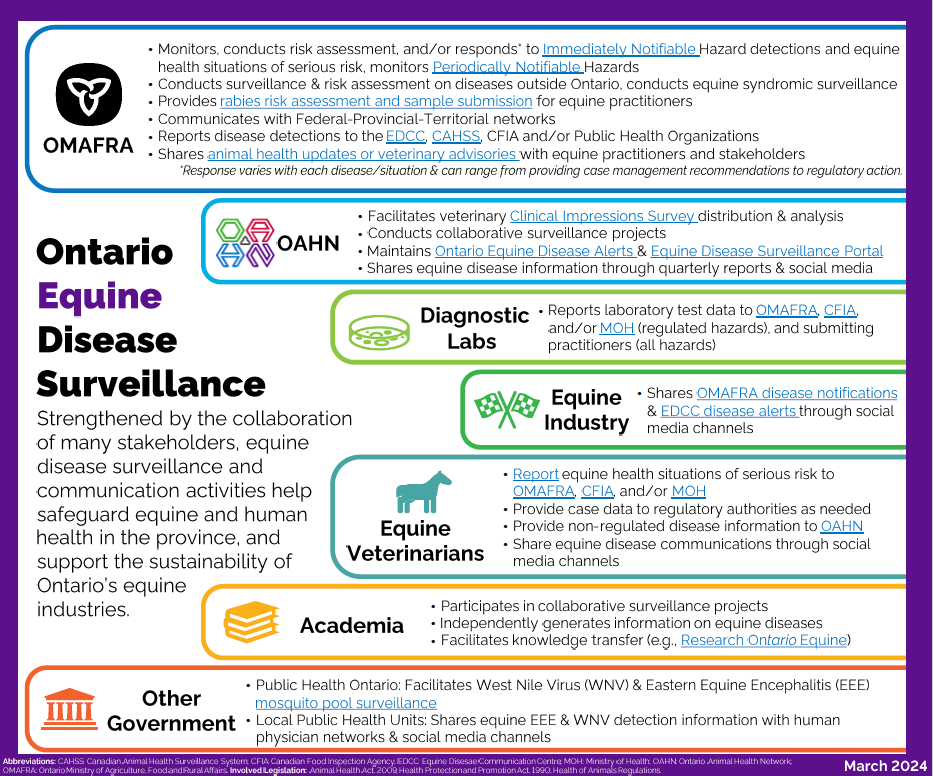
Equine disease surveillance in Ontario is a collaborative effort involving many public and private stakeholders. Diagnostic results generated by veterinary laboratories, clinical impression and case data provided by equine veterinarians, disease detections reported outside of Ontario by independent organizations, vector surveillance conducted by human health agencies, and research projects facilitated by Academic institutions or the Ontario Animal Health Network (OAHN), are all key sources of surveillance data. Strong communication between these stakeholders and with horse owners and caretakers supports both equine and human health in Ontario.
Please follow the links in the summary above for additional information on the associated activities or organizations and for many resources useful to equine industry members.
ResearchONequine.ca is a website developed by the Ontario Animal Health Network equine network to help increase research awareness and to connect researchers from academia, industry and government with the ultimate goal of improving the lives of all equines. It was supported by OAHN and the Ontario Association of Equine Practitioners.